Request for Proposals: Upstate Forever seeks consultant for GIS mapping and modeling services. Apply by 5:00 p.m. ET on November 6, 2026. Learn more



Unified Development Ordinances
Counties and cities across the Upstate have been working around the clock to update land use ordinances to better guide growth and address community concerns related to open space, tree preservation, mobility, and housing choice.
Even if you haven’t followed these efforts closely, you may have noticed a similar acronym coming up at council meetings or displayed in the news: UDO.
What is a UDO?
A Unified Development Ordinance (UDO) — also sometimes known as a Unified Development Code — is a planning tool that combines zoning, land development regulations, subdivision regulations, and ordinances protecting floodplains and tree canopy into a single unifying document.
Join our email lists
The best way to stay up to date on issues we're tracking is to join our Land Planning & Policy email lists.
Local land use decision making varies by municipality, and may unfold very slowly or quickly. We'll keep you informed with critical updates, helpful context, and action alerts so you can take part in how your community grows.
Currently, we have three dedicated lists: Greenville, Spartanburg, and Anderson.
Why SC communities are updating their ordinances
Although often lengthy, UDOs make it easier for residents, developers, and local government to access important land use rules, regulations, and procedures.
In South Carolina, many municipalities and counties have been operating under outdated land use ordinances. Over time, documents regulating land use and zoning stop working in sync as new ordinances are adopted and existing ordinances are amended in ways that can create overlap, conflict, and confusion.
A Living Document for Changing Community Needs
UDOs are a better planning framework to address the concern of outdated land use ordinances by compiling land use regulations in a cohesive document, which helps ensure development decisions are fair, predictable, and consistent for all stakeholders.
Since community needs, challenges, and development pressures are always evolving, UDOs are intended to function as living documents that are reviewed and updated periodically. Local government can and should have an ongoing structured UDO review process to ensure land use rules, regulations, and procedures are working as intended to achieve community goals.
Why Public Input Matters
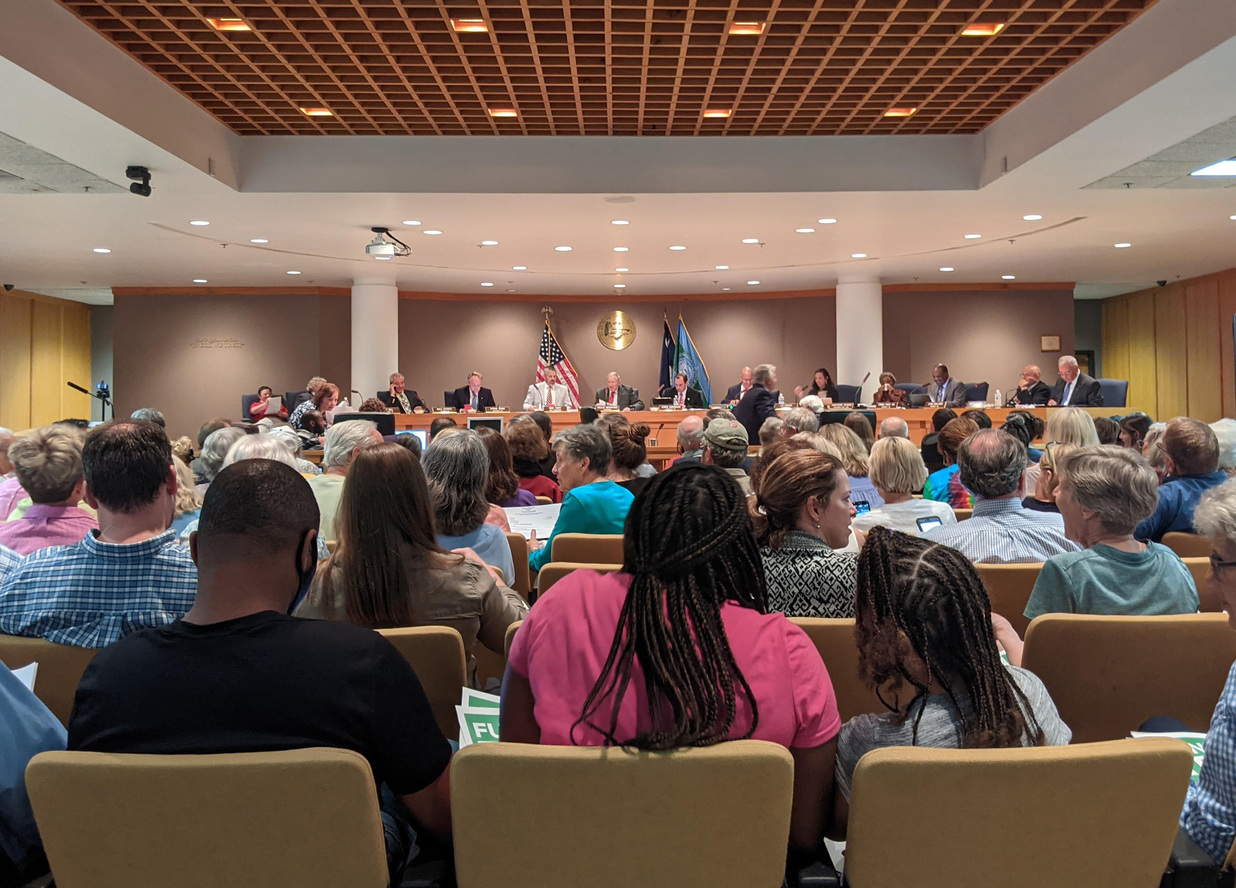
Lastly, it’s important to remember that UDOs vary widely based on the community priorities and aspirations outlined in local comprehensive plans. UDOs are generally created with extensive outreach to the public to ensure that residents, developers, planners, engineers, and businesses have input on land use changes that will directly impact future growth and redevelopment.
Coupled with the comprehensive planning process, this makes it one of the best opportunities to shape the future of land use in your community.
Join our advocacy email lists
Our staff send timely updates on issues related to growth and natural resources — as well as time-sensitive action alerts when decision-makers need to hear from you! Please click the link below and select the advocacy topics you are interested in.
Greenville, SC
507 Pettigru Street
Greenville, SC 29601
Spartanburg, SC
900 S. Pine St, Ste 1B
Spartanburg, SC 29302