

December 16, 2025
Request for Proposals: Upstate Forever seeks consultant for GIS mapping and modeling services. Apply by 5:00 p.m. ET on November 6, 2026. Learn more


State Policy
A voice for the Upstate
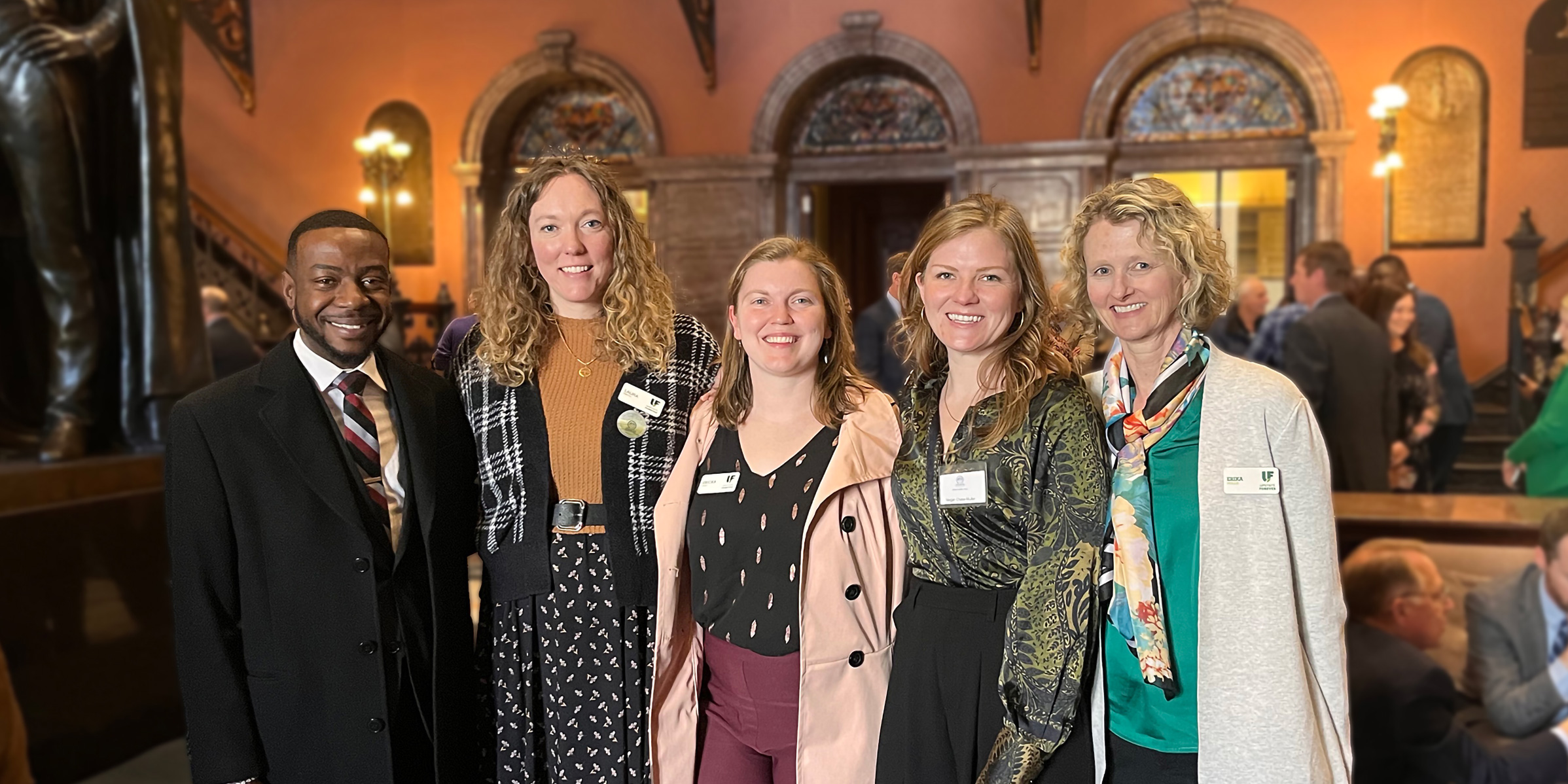
As a leading conservation advocate for the Upstate at the State House, we work tirelessly on behalf of the natural resources that sustain our lives, health, and happiness. Upstate Forever's team meets and collaborates with lawmakers, partner organizations, citizens, utilities, business leaders, and state agencies to represent the Upstate's interests at the state level.
Our advocacy Priorities
Advocacy at the state level
As growth accelerates and pressures on our diverse natural resources intensify, we will champion policies and programs that build community resilience, protect water resources, preserve rural landscapes, and support public health. In 2026, we are working with coalitions of advocates, business leaders, utilities, elected officials, and state agencies to advance common-sense policy solutions through legislative and regulatory actions that focus on achieving the following objectives.
Click on each of the priorities below for more information.
-
Improving access to land conservation
In 2024, Governor Henry McMaster announced an ambitious goal to protect half of South Carolina’s twenty million acres of land. This effort has become known as the “Ten Million Acres Initiative.” With roughly three million acres already protected, achieving this vision will require a wide range of strategies and partnerships, working to make land conservation more accessible across the state. Upstate Forever strongly supports this effort and is committed to working to advance innovative tools and policy solutions that will help protect the additional seven million acres needed to meet this goal.
Among the effective tools already available are the SC Conservation Bank and the conservation easement tax credit. The SC Conservation Bank has been transformational in helping landowners overcome financial barriers to permanent land protection. In addition to continuing to support the full funding of the bank, we believe increasing the conservation easement tax credit would further incentivize more private landowners to protect their property. We support legislation that updates the tax credit in an amount that keeps up with the rise in land values across the state. While these measures alone will not achieve the goal of protecting ten million acres, they represent critical components of a broader strategy to ensure South Carolina’s naturaland working lands are safeguarded for generations to come.
As land protection efforts accelerate, it is equally important to recognize that conservation does not end with the signing of an easement. Long-term stewardship and responsible land management practices are essential to ensure these protected landscapes remain vibrant and thriving. We view this as an opportunity to strengthen education and outreach, guiding landowners, policymakers, and the public in practices that ensure the ecological integrity of protected properties endures over time.
-
Advancing responsible management of our state's waterways
South Carolina’s rivers are essential to our state’s natural and economic prosperity, providing drinking water, supporting wildlife, and offering recreational opportunities enjoyed by residents and visitors throughout the Upstate. Protecting these waterways is critical to ensuring they remain safe and accessible for everyone. We will continue to support proposed legislation requiring signage at National Pollutant Discharge Elimination System (NPDES) outfall locations. Clearly identifying these discharge locations would increase transparency, promote accountability, and help to protect South Carolina’s unique river systems.
As our state continues to experience population growth and industrial expansion, the demand on our water resources is also increasing. Upstate Forever will continue to engage with partners and other stakeholders in the WaterSC working group to identify and advance regulatory and legislative solutions that ensure sustainable and equitable water use for all sectors.
We also recognize the growing water demands associated with the rise of data centers across the Southeast. These facilities consume substantial amounts of water for cooling operations, often drawing from municipal sources. Currently, there is no state agency that is responsible for tracking water consumption from data centers. To address this concern, we support requiring data centers to report their annual total water usage to the SC Department of Environmental Services (DES). This reporting would promote transparency, allow for more informed water planning, and help state and local leaders better anticipate future resource needs.
Protecting water quality also requires attention to residential septic systems. While DES currently requires inspections at the time of installation, typically completed by a licensed septic contractor, South Carolina lacks statewide requirements for routine septic system inspections, maintenance, or reporting during property transfers. Without regular oversight, aging or failing septic systems increasingly contribute to bacterial pollution in local waterways. We will explore opportunities to cultivate regulatory or legislative solutions that establish routine inspection and reporting requirements for residential septic systems. Establishing consistent standards would help identify failing systems early, protect public health, and preserve water quality.
-
Ensuring Upstate communities have a voice in energy projects
The rapid expansion of data centers and advanced manufacturing is driving the buildout of new natural gas infrastructure throughout the Southeastern region of the United States. While these facilities can bring billions of dollars in local investments, their expansion also presents new challenges for managing energy demand, infrastructure planning, and cost allocation.
Upstate Forever supports a responsible approach to economic development, one that balances impacts to natural resources and local residents. Large energy users, like data centers, often require substantial upgrades to the grid and costly new investments in energy generation capacity. They can also pose environmental threats to the local communities in which they are built, including air pollution and significant water use. We support reasonable safeguards that would ensure the costs of grid upgrades required to serve such facilities are borne by those operators, not ratepayers. Such safeguards will encourage a more measured approach to data center construction.
We also believe that conserving energy is as important as generating more of it. South Carolina continues to rank near the bottom nationally in energy efficiency, underscoring the need to make it a central component of South Carolina’s energy future. By prioritizing improving energy efficiency, we can reduce strain on the grid, protect ratepayers, and broaden the benefits of economic growth. We will advocate for policies that ensure utilities make steady, measurable progress on efficiency, strengthening program performance and making clean energy and resilience upgrades more affordable and accessible.
As new energy infrastructure is proposed to support industrial expansion, transparency and public engagement are essential. We have often seen private property taken by utilities to meet expected energy demand and unfortunately, there are no clear protocols in state law to ensure landowners receive information about the proposed project and their rights ahead of permit filings and condemnation notices.
We will support legislative measures that would guarantee that landowners are notified in advance of any application filing for the construction of energy infrastructure projects that could require the use of eminent domain. This safeguard would ensure affected communities are informed early, fostering trust and accountability as South Carolina works to balance economic development with responsible energy stewardship.
Get Legislative Updates
While the SC Legislature is in session from January through May of each year, Upstate Forever send out regular Legislative Updates, delivered right to your inbox. We also issue action alerts on critical issues so you can make your voice heard when it matters most.
View archive of past issues
Proud member of the SC Conservation Coalition
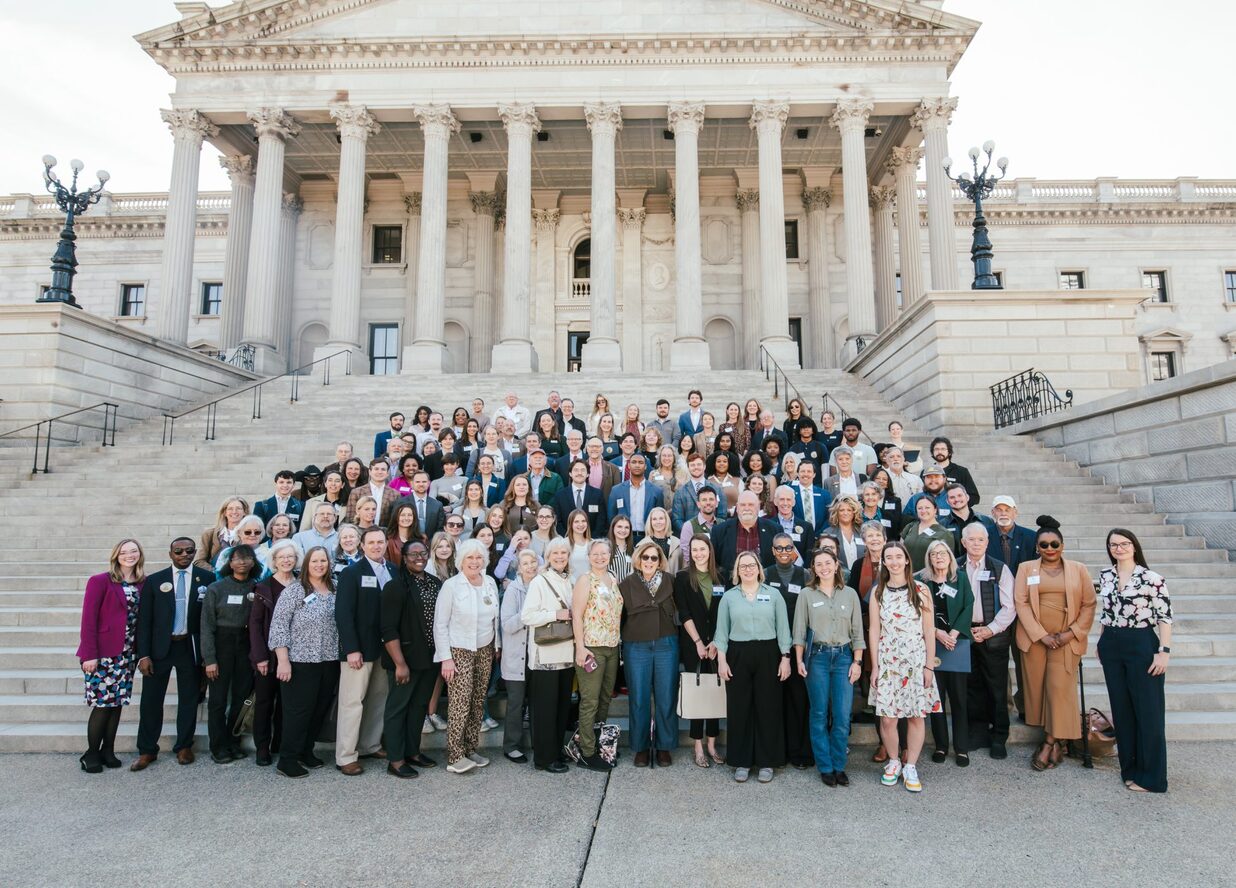
Upstate Forever is honored to be part of the South Carolina Conservation Coalition, a group of organizations working with citizens across South Carolina to ensure future generations continue to enjoy the blessings of our richly diverse state.
Each spring, the Coalition hosts Conservation Lobby Day & Oyster Roast, an opportunity to meet with in-session SC legislators and learn how to advocate for our state's natural resources.
For more opportunities to get involved virtually and in your community, check out the Coalition's event calendar.
SC Conservation Coalition website
State Policy Blogs
Take action from your inbox
Our State Policy staff provide regular updates while the South Carolina General Assembly is in session. For the latest news and opportunities to get involved with issues impacting natural resources, energy, and more at the Statehouse, join our Legislative Updates email list.
Greenville, SC
507 Pettigru Street
Greenville, SC 29601
Spartanburg, SC
900 S. Pine St, Ste 1B
Spartanburg, SC 29302