Request for Proposals: Upstate Forever seeks consultant for GIS mapping and modeling services. Apply by 5:00 p.m. ET on November 6, 2026. Learn more



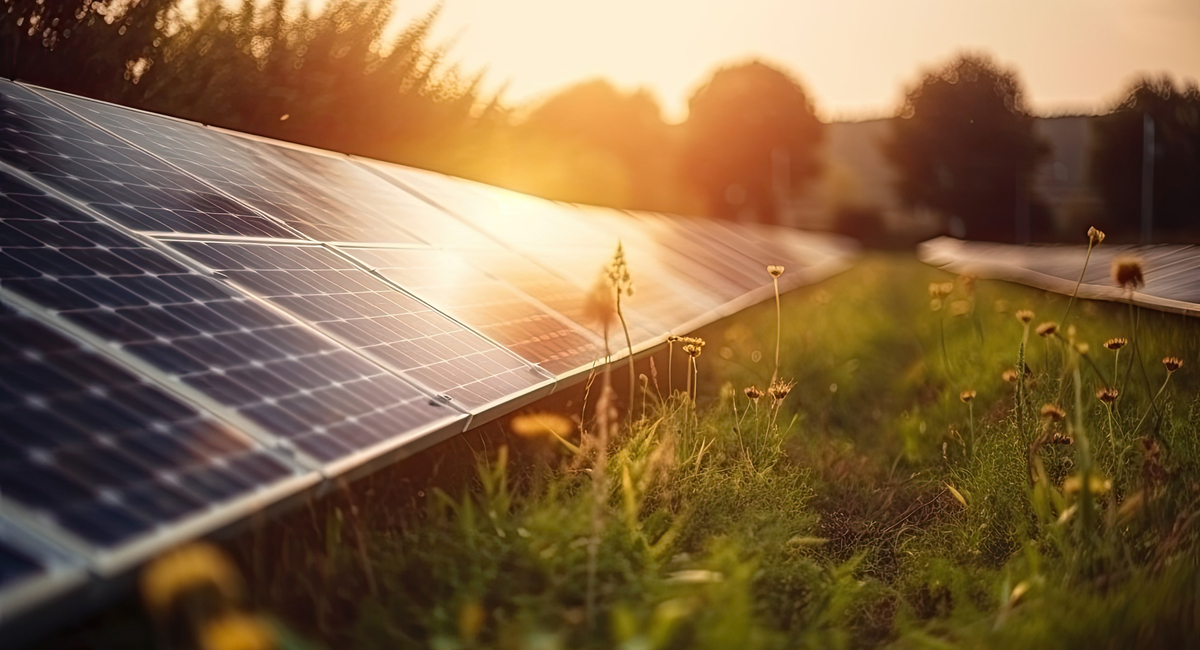
Solar farms can benefit agriculture
Utility-scale solar can be a powerful tool to support South Carolina’s clean energy goals without interfering with agricultural practices. With growing concerns about farmland loss due to energy infrastructure development, it is important to understand the impacts and opportunities to protect agricultural land while advancing clean energy solutions in our state.
Solar and Farming Can Coexist
According to The Great Plains Institute, utility-scale solar can be compatible with other forms of non-cultivated agriculture like pasture and grasslands. Solar projects can complement agricultural production by allowing for:
- Pollinator habitats that support crops
- Livestock grazing between panel rows
Solar panels can also be installed in ways that support farming. This approach is called agrivoltaics. It combines solar energy production with farming activities on the same land.
Solar installations can aid in land recovery. They typically last 20–25 years and can be fully decommissioned, allowing the land to return to agricultural use, often healthier after the “rest” period, which helps to rejuvenate soil quality.
Benefits to Landowners & Communities
Solar farms offer a number of benefits to rural landowners. They can provide an additional income stream to farmers — leasing land to solar developers can offer steady, long-term revenue. They help with market-resistance, as they can provide a financial cushion during times of poor crop yields or commodity price drops. Solar leases can also help landowners keep land in the family and avoid selling to developers for non-agricultural purposes.
The community at large often benefits as well. Solar projects generate tax revenue that benefits the community throughout the life of the facility. These funds can be used to enhance public services such as education, infrastructure maintenance, and emergency response. Unlike many other types of development, solar farms typically do not require new roads, sewer systems, or major infrastructure investments. They can be built using existing access roads and infrastructure, minimizing disruption to the surrounding landscape and reducing taxpayer burden. Finally, the construction, operations, and maintenance of solar facilities create local employment opportunities.
Common Misconceptions
Myth: “It’s a waste of farmland.”
Truth: Repurposing land for solar could reduce reliance on volatile fuel markets, support rural incomes, and boost clean energy without impacting food production. Source
Myth: “Solar farms are an eyesore and harm rural character.”
Truth: Aesthetic concerns are valid; however, many solar farms are built on land not currently used for growing food. Native plantings and vegetative buffers can reduce visual impact. Source
Myth: “Solar panels are dangerous.”
Truth: Most solar panels are made from crystalline silicon, a non-toxic, enclosed material. There is no risk of chemicals leaking into soil or air under normal use. Source
Myth: “Solar harms health.”
Truth: Solar panels produce no emissions and emit lower electromagnetic fields than TVs or refrigerators. There are no confirmed health impacts at public exposure levels. Source
Like any infrastructure, solar installations should be carefully considered and constructed in a way that mitigates negative impacts. However, with the right approach, solar farms can provide significant benefits to farmers and agricultural communities.
For more information, contact Michael Coleman at mcoleman@upstateforever.org
Greenville, SC
507 Pettigru Street
Greenville, SC 29601
Spartanburg, SC
900 S. Pine St, Ste 1B
Spartanburg, SC 29302