Request for Proposals: Upstate Forever seeks consultant for GIS mapping and modeling services. Apply by 5:00 p.m. ET on November 6, 2026. Learn more



Making a winter habitat
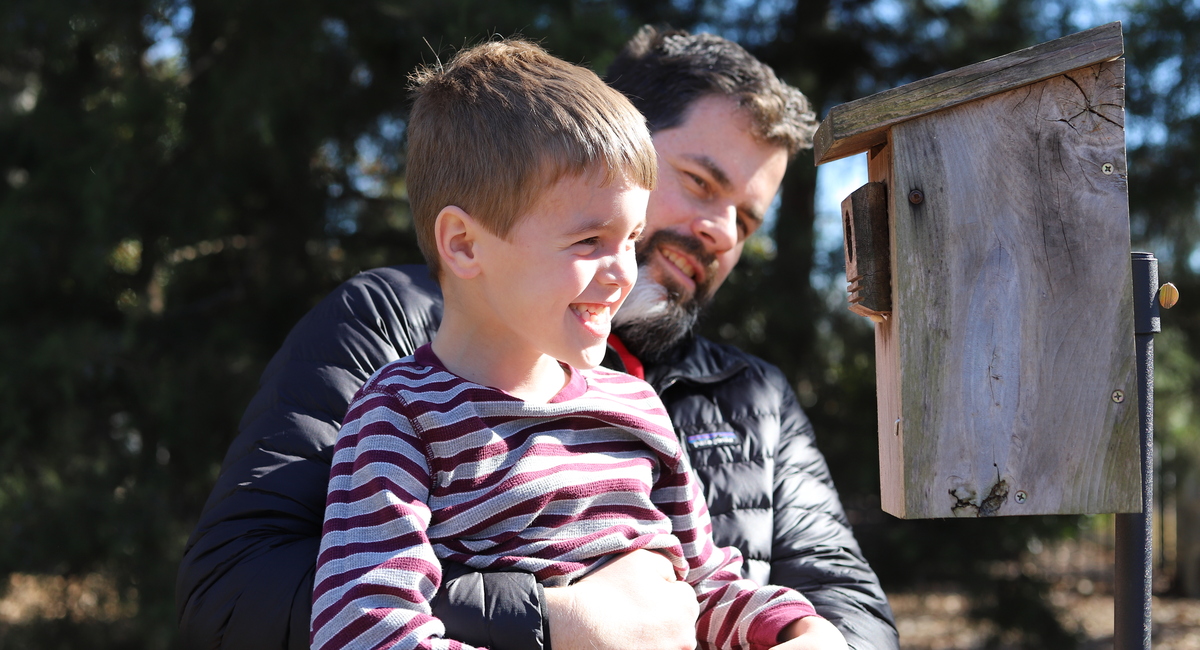
One of the best ways to get children engaged with nature is to encourage them to nurture the creatures in their own backyard who especially need a little boost in the winter.
Food, water, and shelter are basic needs for every species. Think about who you see around your home every spring and summer — many of those friends don’t leave in the winter. For them, everything gets more difficult in the cold, so help is much appreciated!
Don't have a backyard? We've also included some mini-habitat ideas for porches, window boxes, and balconies.
In and around your yard
Keep your birdhouses up
Clean out leftover nests, consider sealing the top vents with weatherstripping to trap heat (keep the entry hole clear), and make sure it’s out of reach from predators. Eastern bluebird, Carolina wren, tufted titmouse, and Carolina chickadee are all known to roost in winter.
Leave the leaves
You’ve heard this one before. The leaves are enormously beneficial to nearly everyone in your yard. Frogs, lizards, snakes, birds, and insects will especially thank you for this crucial insulator. Beloved lightning bugs live 95% of their life under the leaves before they sparkle at night. When you toss those leaves, they go with them!
Create a brush pile
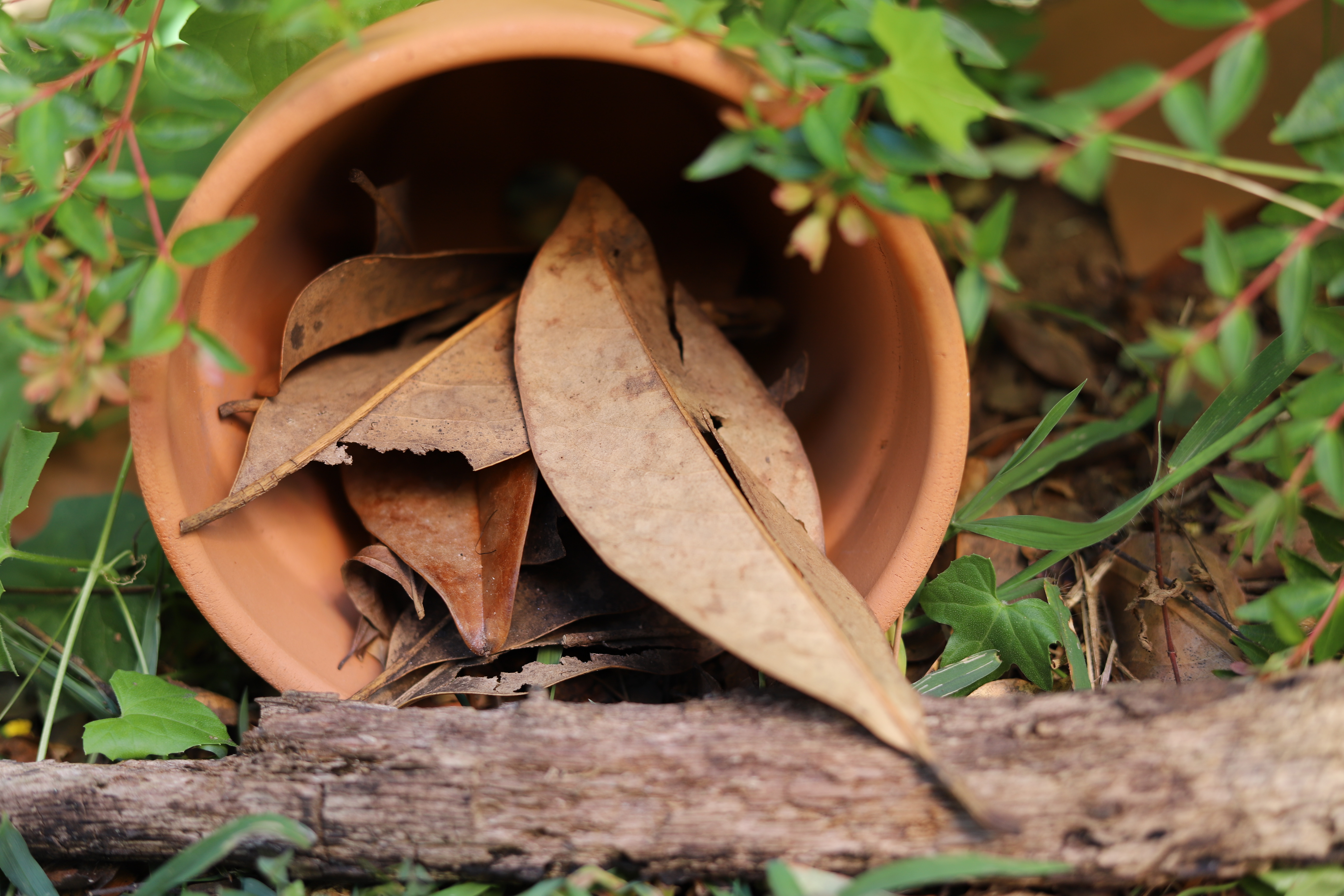
If fall prunings aren’t diseased, then pile them up in a corner of your yard. Add some branches, grasses, stones, and even broken pots to make more nooks and crannies. Elevate the pile with larger logs — try a log cabin design! Use evergreen branches or your Christmas tree to keep the interior dry. Small mammals, foraging birds, amphibians, reptiles, spiders,
and insects will forage or hunker down here.
Don’t cut those seed heads
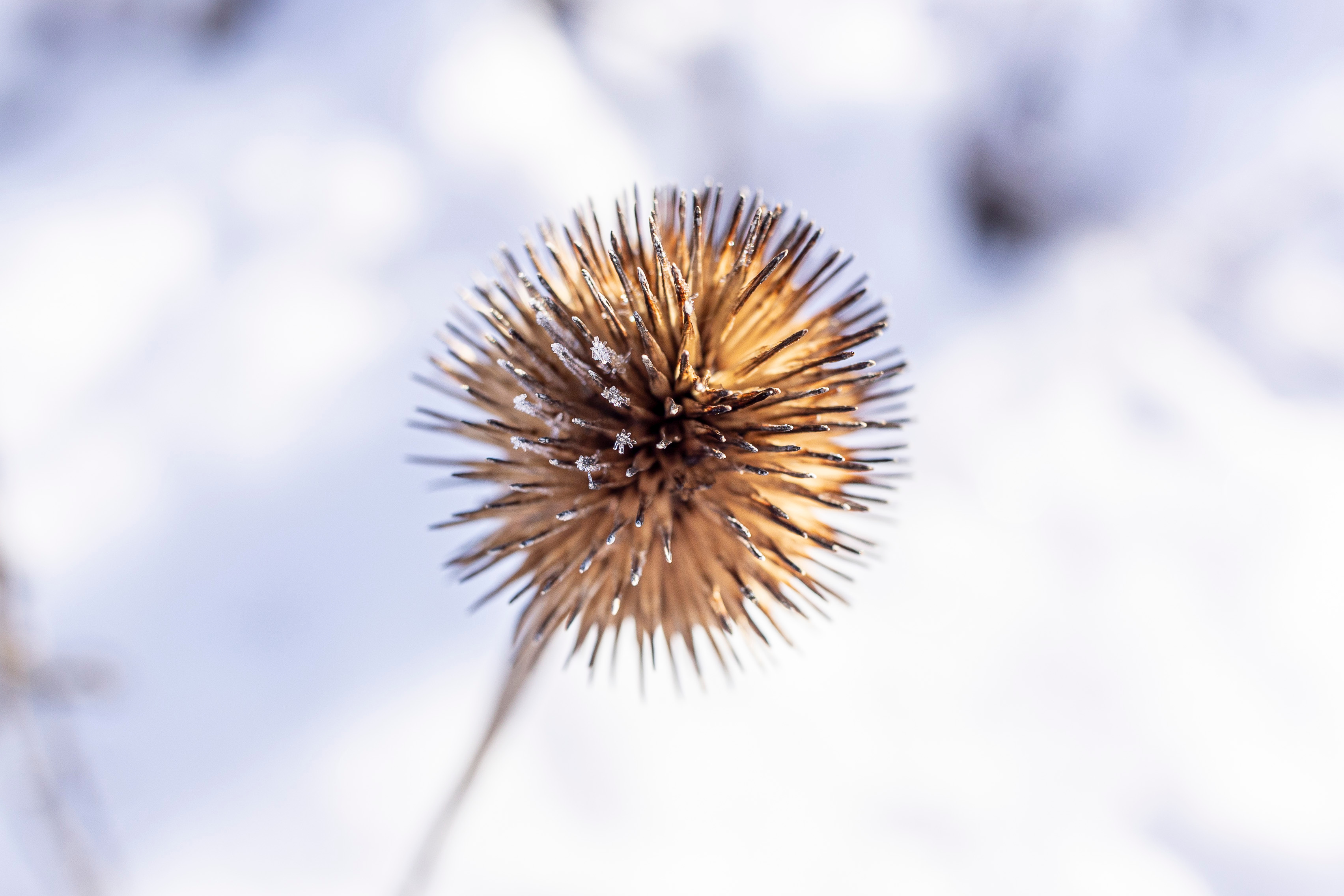
Native flowers like coneflowers, black-eyed Susans, goldenrods, asters, Joe-Pye weed, and mountain mints all form attractive seed heads in the fall and winter. Birds rely on these as a food source, and standing seed stalks can provide shelter for beneficial insect larvae, including bees.
Make a watering area
Shallow dishes work best for most creatures. While a bird bath is great for feathered friends, don’t forget those who can’t reach that high. Terracotta dishes, ceramic bowls, or heavy-duty plastic saucers all work. Test out an inexpensive solar fountain to prevent freezing.
Plant native species
To create a thriving habitat all year long, ensure you are planting native flowers, shrubs, and trees to support our local wildlife.
Mini-habitats for smaller spaces
Embrace window boxes
Choose cold tolerant vegetables, mini evergreens, or flowers for a pop of color; insects will find themselves at home here and birds will forage. Make stick forests in your window box, fill them with leaves, dry grasses, pinecones, and other natural items you find in fall. Or make a mini-insect-castle out of upside-down flowerpots set atop your dirt-filled window box. Toss in a little birdseed to draw feathered friends.
Try container gardening
Bring the wildflowers to the porch! Keep the seed heads and watch the birds and insects forage and find shelter. Flip smaller pots over or on their sides and place them on top of the dirt in larger pots, and fill them with leaves for insect, reptile, and amphibian insulation.

Install bee hotels
These are best positioned 3-6 feet off the ground in a sunny, south-facing spot. Hang on a wall, from a hook, or attach to a porch rail. Make sure it will stay dry throughout the winter. It’s best to make one type of bee hotel per species instead of trying to attract many different species to a single habitat. Drill some holes in a block of wood or bundle even pieces of plant stem together in a small pot or jar positioned horizontally. Our local, solitary Mason and Leafcutter bees will love their winter stay!
Do you have a backyard habitat you'd like to share? We'd love to see it! Email a pic to Communications Coordinator Elizabeth Swails at eswails@upstateforever.org.
Greenville, SC
507 Pettigru Street
Greenville, SC 29601
Spartanburg, SC
900 S. Pine St, Ste 1B
Spartanburg, SC 29302