Request for Proposals: Upstate Forever seeks consultant for GIS mapping and modeling services. Apply by 5:00 p.m. ET on November 6, 2026. Learn more



Vanishing landscapes
Heirlooms of prehistoric wilderness, these three rare types of habitat in the Upstate are quickly disappearing — but efforts are underway to preserve them.
Piedmont Seepage Forest
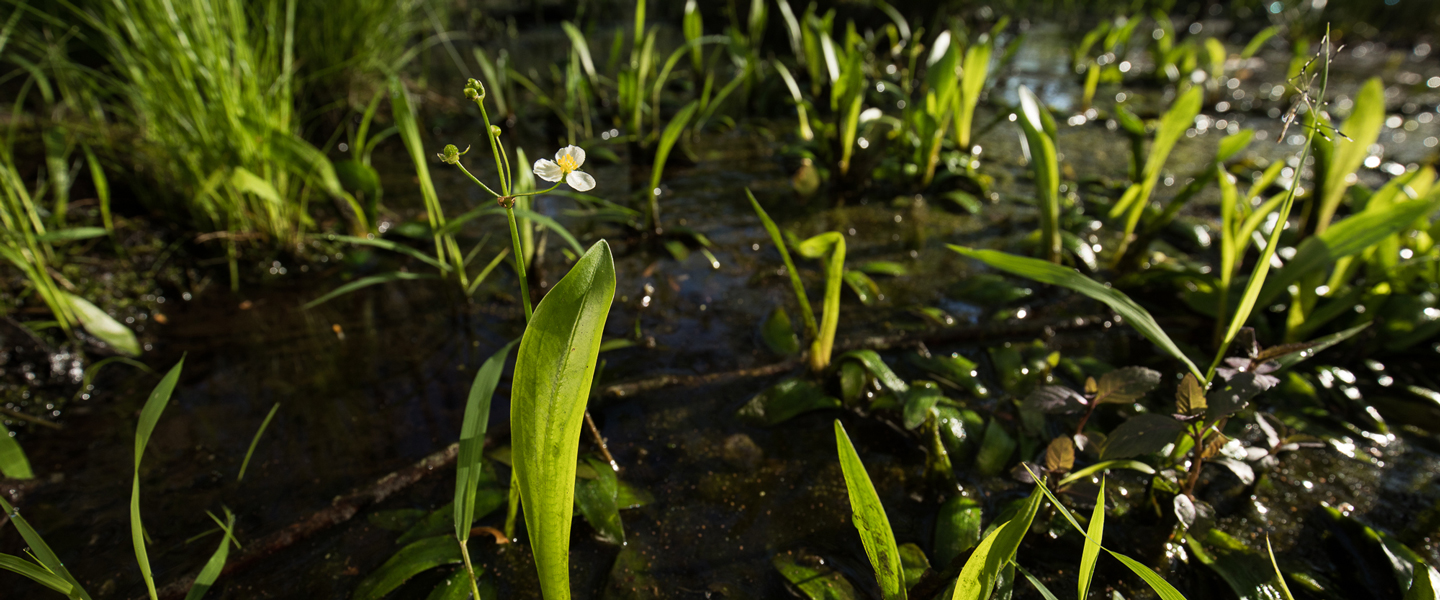
Found throughout the southeast of the piedmont, the piedmont seepage forest is an exceedingly uncommon wetland habitat. Its rareness is heightened by the presence of one of the rarest plants on the planet — an aquatic herb called the bunched arrowhead.
This ancient plant occurs in only two counties in the entire country: Greenville County, SC, and Henderson County, NC. They thrive on the clear, cool, constantly flowing water seepage that slowly follows channels year-round down the slopes of the piedmont. The Pacolet sandy, loam soil that sustains these tiny white flowers is ideal for absorbing and storing rainwater in the ground where it is slowly released as seepage.
These forests maintain a very delicate balance that keeps them wet but not boggy or silty.
PRESERVATION WORK
Since 1986, the urging of state and federal biologists have led to intensified conservation strategies of the federally protected bunched arrowhead and its sensitive habitat.
Conservation areas have been identified and established, like the Blackwell Heritage Preserve in Travelers Rest, which is managed by SCDNR as part of the SC Natural Heritage Program.
UF and partners like Naturaland Trust and Conserving Carolina also help protect Piedmont seepage forest habitats, in an effort to protect this sensitive habitat and increase the bunched arrowhead's chances of survival.
Piedmont Prairie
While rare now, the piedmont prairie was once a common and vast ecosystem in the Upstate where pollinators, birds, and mammals thrived. Our entire region is a piedmont, a French word for “foothills” or “foot of the mountains,” and the area’s forests once opened into large fields for many miles at a time.
In 1701, English explorer John Lawson traveled 300 miles through the Carolina piedmont and described walking for 30 miles without seeing a single tree. The forgotten large herbivores, like bison and elk, grazed and fertilized the soil, and wildfires caused by lightning — and utilized by Indigenous people — cleared large tracts where grasses and wildflowers would regrow. Now the remnants of these centuries-old ecosystems pop up on country roadsides and utility rights-of-way where they survive safe from mowing and shade.
Per square foot, these habitats are one the most biologically rich ecosystems, and there are many plants in bloom throughout the growing season.
This richness is beneficial to other rare inhabitants like the Northern bobwhite. This little quail’s ardent call of bob-white once rang from the prairies all summer long. The decline of piedmont prairie ecosystems, which are particularly vulnerable to development, caused the quail, and other species who depend on this habitat, to virtually disappear from the wild.
PRESERVATION WORK
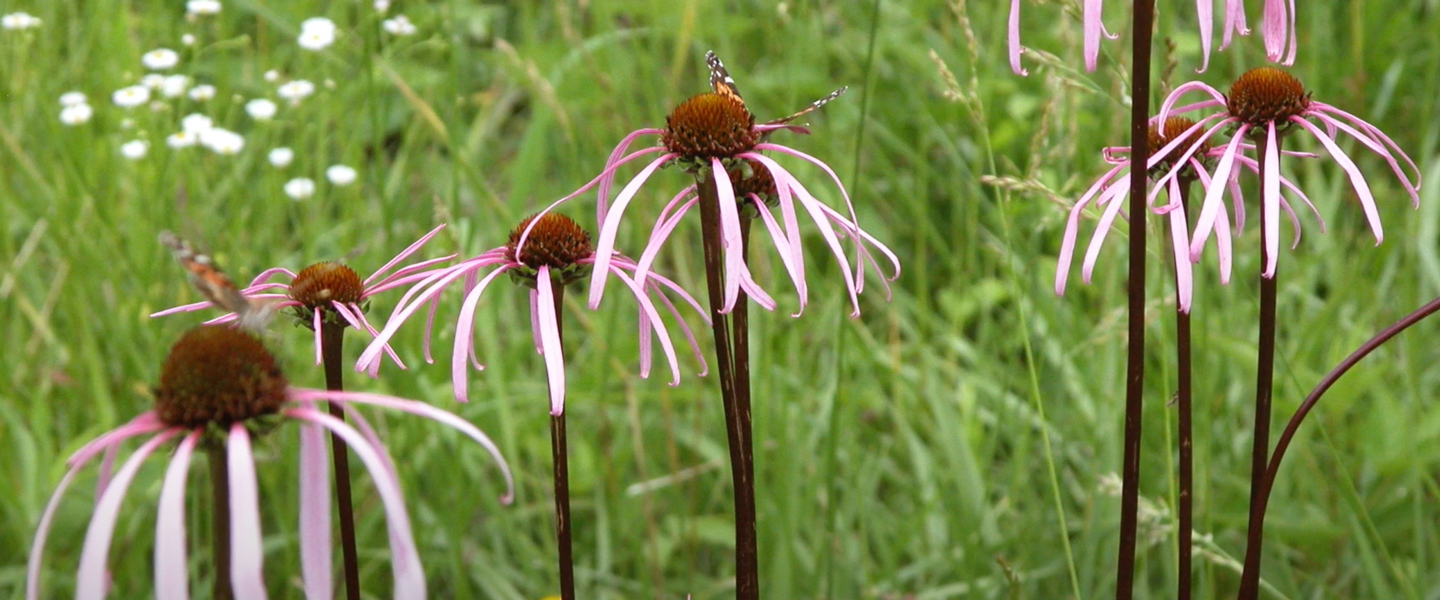
UF's Land Management program is helping to restore this forgotten ecosystem on properties like the green burial site at Ramsey Creek Preserve in Oconee County. Here, we're working in partnership with the U.S. Fish and Wildlife Service and the conservation-minded landowners to re-establish species like the rare smooth coneflower, a federally threatened wildflower reliant on open, fire-maintained grassland habitat.
Through conservation and proper burning techniques designed to rehabilitate the habitat, we stand a chance to repopulate the prairies of South Carolina’s past.
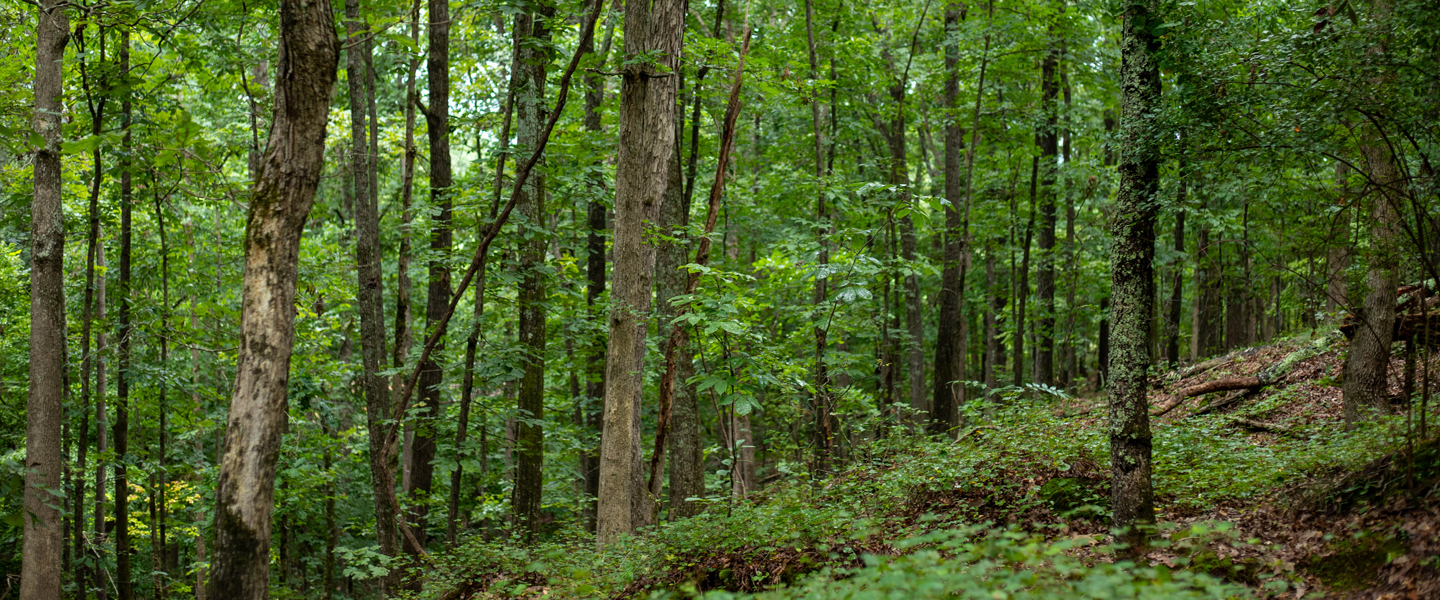
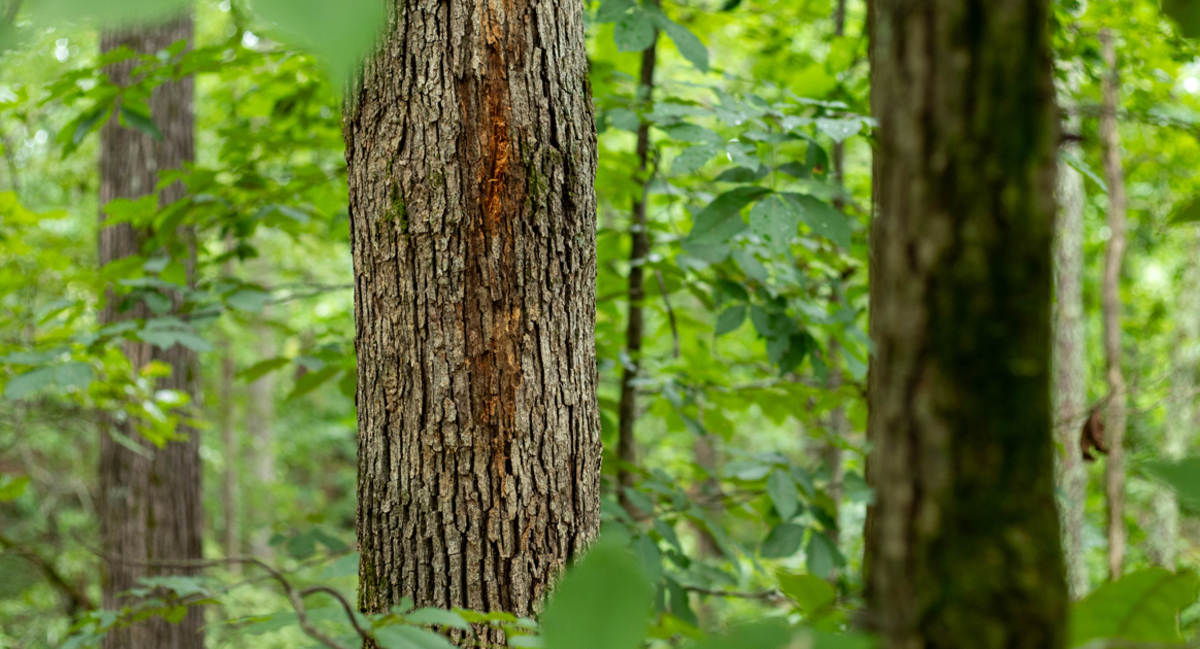
Basic Mesic Forest
Remnants of the last Ice Age, the basic mesic forests that grow along our Upstate rivers and slopes are one of the rarest ecosystems in the piedmont of South Carolina.
Stranded on steep lower and north-facing slopes, these mostly hardwood forests of American beech, Northern red oak, tulip tree, white ash, and red maple shelter a remarkable array of endangered species. The red-cockaded woodpecker, Swallow-tailed kite, eastern small-footed bat, Rafinesque’s big-eared bat, and tricolored bat depend on these forests.
Fed by moderately moist mesic soil, the forests' towering trees are naturally protected from fire. Marble, amphibolite and limestone rocks rich in calcium and magnesium make the soil in basic mesic forests less acidic than surrounding areas — hence the term "basic."
These unique ecological traits contribute to these forests’ rare status, and they continue to face threats from development, drought, and agriculture.
PRESERVATION WORK
Upstate Forever holds conservation easements on almost 700 acres of basic mesic forest along the Lower Pacolet River and Fairforest Creek in Union County and the Saluda River in Greenville County.
Greenville, SC
507 Pettigru Street
Greenville, SC 29601
Spartanburg, SC
900 S. Pine St, Ste 1B
Spartanburg, SC 29302