Request for Proposals: Upstate Forever seeks consultant for GIS mapping and modeling services. Apply by 5:00 p.m. ET on November 6, 2026. Learn more



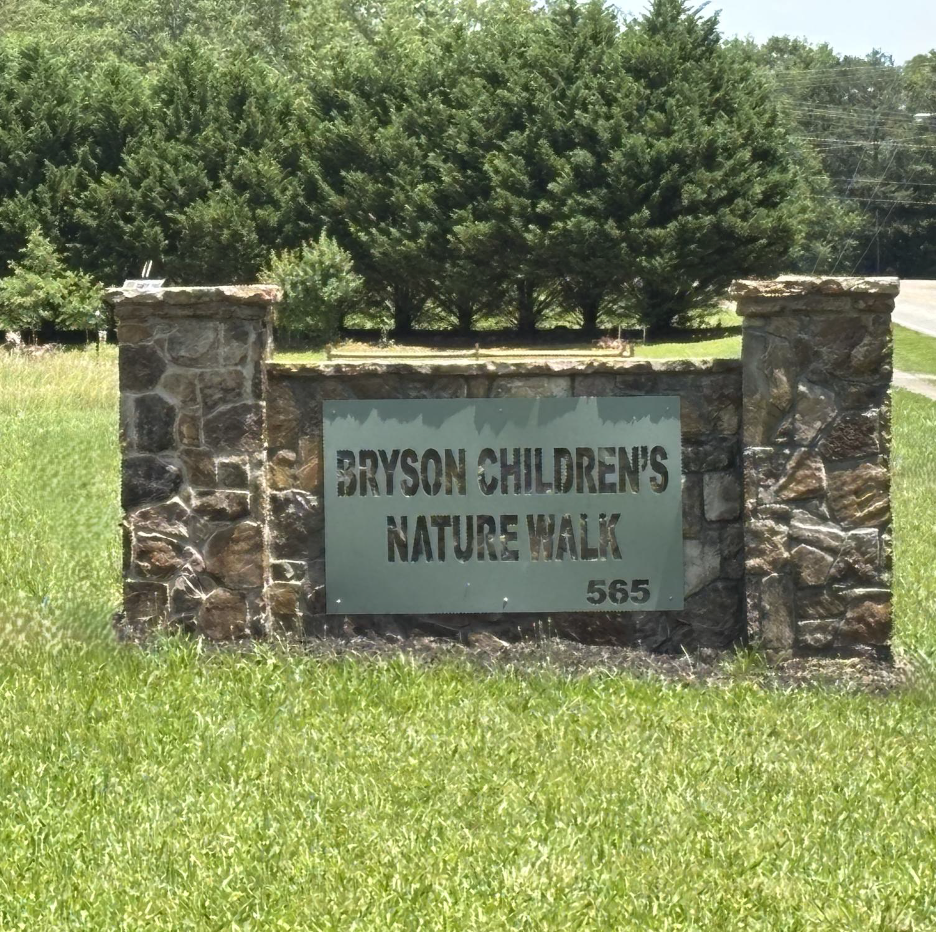
Bryson Children's Nature Walk is a gift to the community
By James Atkinson, Mayor of Six Mile, SC
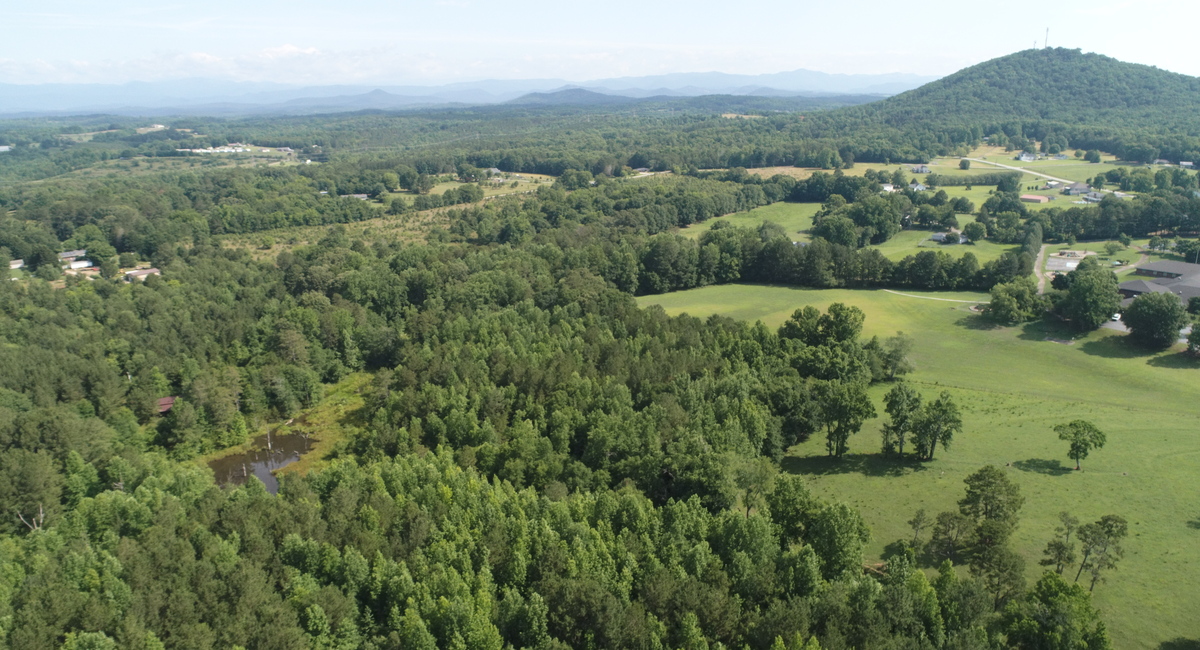
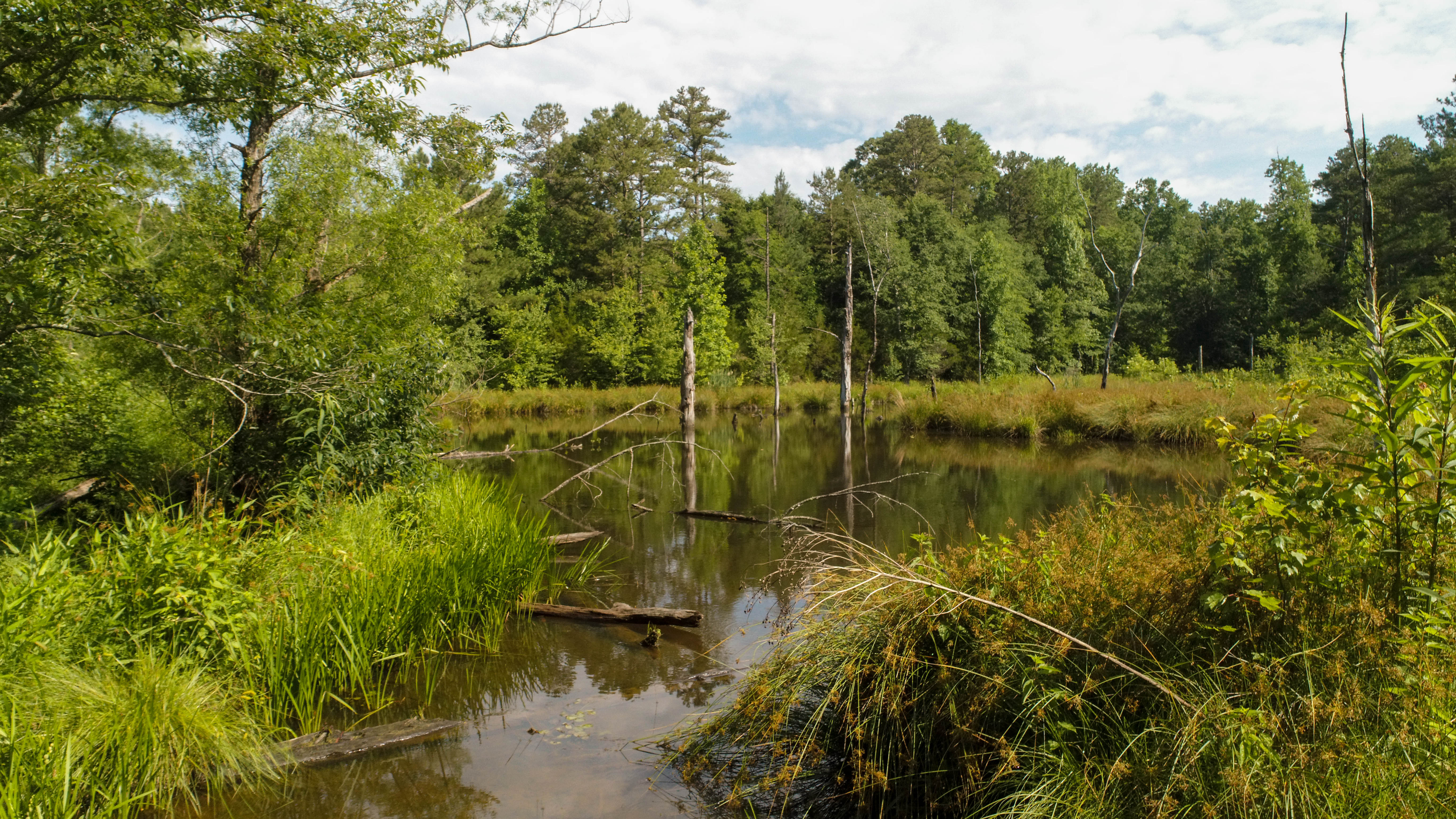
The gift of land is a gift that keeps on giving. When lifelong Six Mile resident Conrad Ardell Bryson passed away in 2003, the bulk of his estate included a 63-acre tract of undeveloped land. This site directly adjoins Six Mile Elementary School and contains significant, irreplaceable greenspace bordering SC Highway 137 with a view of Six Mile Mountain, a scenic pond, and wetlands area.
When the Bryson Estate donated the property to the Town of Six Mile, plans began to conserve the acreage with Upstate Forever and to transform it into Bryson Children’s Nature Walk. You could put a dollar figure on the Bryson tract donation based on what it would be worth if it had been sold for development.
But, to quote local author and naturalist Dennis Chastain,
“How can you put a price on the precious experience of a child on hands and knees, absolutely fascinated as a Monarch butterfly drifts from flower-to-flower sipping nectar from bright cheery flowering plants?
How can you put a dollar value on a place where those interested in ‘getting healthy’ have a safe, dedicated path to walk in natural surroundings at their own pace; perhaps spotting a whitetail deer munching acorns, or a raccoon in a stream washing its hands after having had a crawfish lunch?”
The truth is Ardell Bryson’s legacy gift of undeveloped land is priceless — a gift that will keep on giving for generations to come. Plans for the site include 1.5 miles of walking trails, a boardwalk and overlook at the pond area, a garden area for children’s on-site experience with garden vegetables, and a Children’s Outdoor Learning Center. Grant and fundraising efforts will make completing these plans a reality.
How Local Policy Can Secure Greenspace for Future Generations
Our local land planning and elected officials also play a large role in this plan. South Carolina’s Comprehensive Planning Enabling Act provides cities and towns with authority to undertake planning and adopt zoning and land use regulations as tools to guide their communities’ development.
The Bryson site ties directly to the Town’s Comprehensive Plan goals of promoting greenspace in a time of unprecedented development and elimination of greenspace. Greenspace — once lost — can never be regained, a fact that should be stressed by local government to ensure greenspace-related initiatives are included in the city or town zoning ordinance.
An Open Space Conservation rezoning for the Bryson Children’s Nature Walk site will be established in the Town of Six Mile, setting a precedent for similar rezoning at other sites meeting certain Conservation Easement or Forestry Management Plan criteria.
Our project has already won a statewide achievement award from the Municipal Association of South Carolina in 2024. Thanks to projects like the Bryson Children's Nature Walk, children now and in future generations will have greater learning experiences in outdoor settings, and the property itself will remain intact — with preserved wetlands and greenspace road frontage — in perpetuity.
Are you an elected official interested in initiating a project like Bryson Children’s Nature Walk? Follow these steps to get started on planning a conservation project in your area:
STEP 1: Is the property a designated Open Space Conservation District?
An Open Space Conservation District (OSC) is a zoning designation that protects open, undeveloped land to preserve sensitive natural, scenic, agricultural, and historic areas and a city or town’s rural community character. This kind of district is established voluntarily by a public or private property owner who places a conservation easement on the property. The owner will often work with the community’s comprehensive plan, which may include uses for passive recreation, public parks, trails, wildlife habitat, and more.
STEP 2: What’s in your community’s comprehensive plan?
South Carolina’s Comprehensive Planning Enabling Act provides cities and towns with authority to undertake planning and adopt zoning and land use regulations as tools to guide their communities’ development.
The local planning commission is responsible for developing a comprehensive plan, specifically addressing ten planning elements, such as natural resources and land use. It is very important for local government to emphasize greenspace requirements in their comprehensive plan so that zoning ordinances reflect the community’s desire for spaces like Bryson Children’s Nature Walk.
These Comprehensive Plan Greenspace related requirements should be stressed by local government to ensure folding into greenspace related initiatives (e.g., Open Space Conservation District) in the city or town zoning ordinance.
STEP 3: Meeting between stakeholders and Land Trust Organizations
After establishing an Open Space Conservation District within a city or town’s comprehensive plan, start the dialogue among stakeholders, your local land trust like Upstate Forever, and local political leaders to find common ground about the property’s conservation values, which might include the following:
- Woodland, meadow, wetland, watercourse, wildlife sanctuary, agricultural use, or similar conservation-oriented or natural area.
- Passive recreation area, including parkland, pedestrian or equestrian trails, or community gardens.
- Pastureland, open field, or lawn.
Step 4: Local leaders demonstrate commitment
A demonstrated commitment to green space is essential. This commitment flows from the Comprehensive Plan to the Zoning Ordinance to city or town council. On Six Mile Town Council, duties of one of our members is specifically denoted as “Greenspace.”
Contiguous areas of conserved land need to be promoted both for passive recreation (trails) and to protect our watershed and wildlife habitats.
In most of our cities and towns, we are in areas of rapid growth, and we have very few undeveloped areas remaining. As local and public elected officials we should try to work diligently to form relationships with interested landowners who see their land as more than just a financial investment. The willing landowner is the one essential ingredient that we must have for success, because purchasing land at market value is just out of the question.
As public officials, in conjunction with land trust organizations like Upstate Forever, we need to try to appeal to people’s desire to leave a legacy for future generations. In some states, laws allow large landowners to have their open land assessed at a much lower value. If they decide to change their minds and sell out to a developer, that developer pays a special, one-time tax which goes into a fund to permanently conserve other land in town.
Local officials and mayors, follow these steps to help do you part to promote greenspace in your community.
Greenville, SC
507 Pettigru Street
Greenville, SC 29601
Spartanburg, SC
900 S. Pine St, Ste 1B
Spartanburg, SC 29302