Request for Proposals: Upstate Forever seeks consultant for GIS mapping and modeling services. Apply by 5:00 p.m. ET on November 6, 2026. Learn more



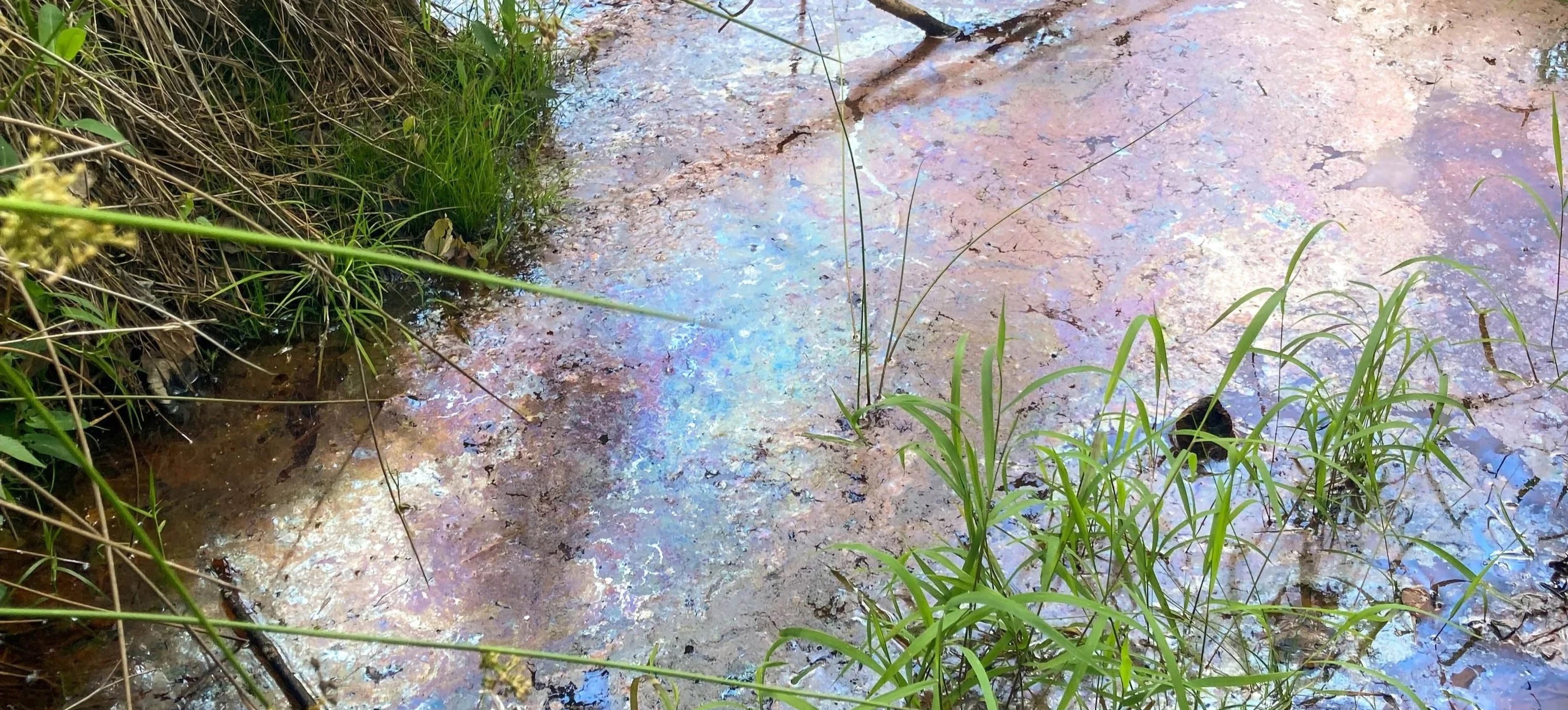
Kinder Morgan Pipeline Spill
In December of 2014, a local resident discovered petroleum leaking from the Kinder Morgan Plantation Pipeline near Lewis Road in Belton, SC. The spill was one of the largest gasoline spills in South Carolina's history, ultimately discharging nearly 400,000 gallons of gasoline into the local environment. Local conservation groups immediately sprang into action, ultimately resulting in a years-long lawsuit and a $1.5 million fund to support water quality projects.
About the Spill
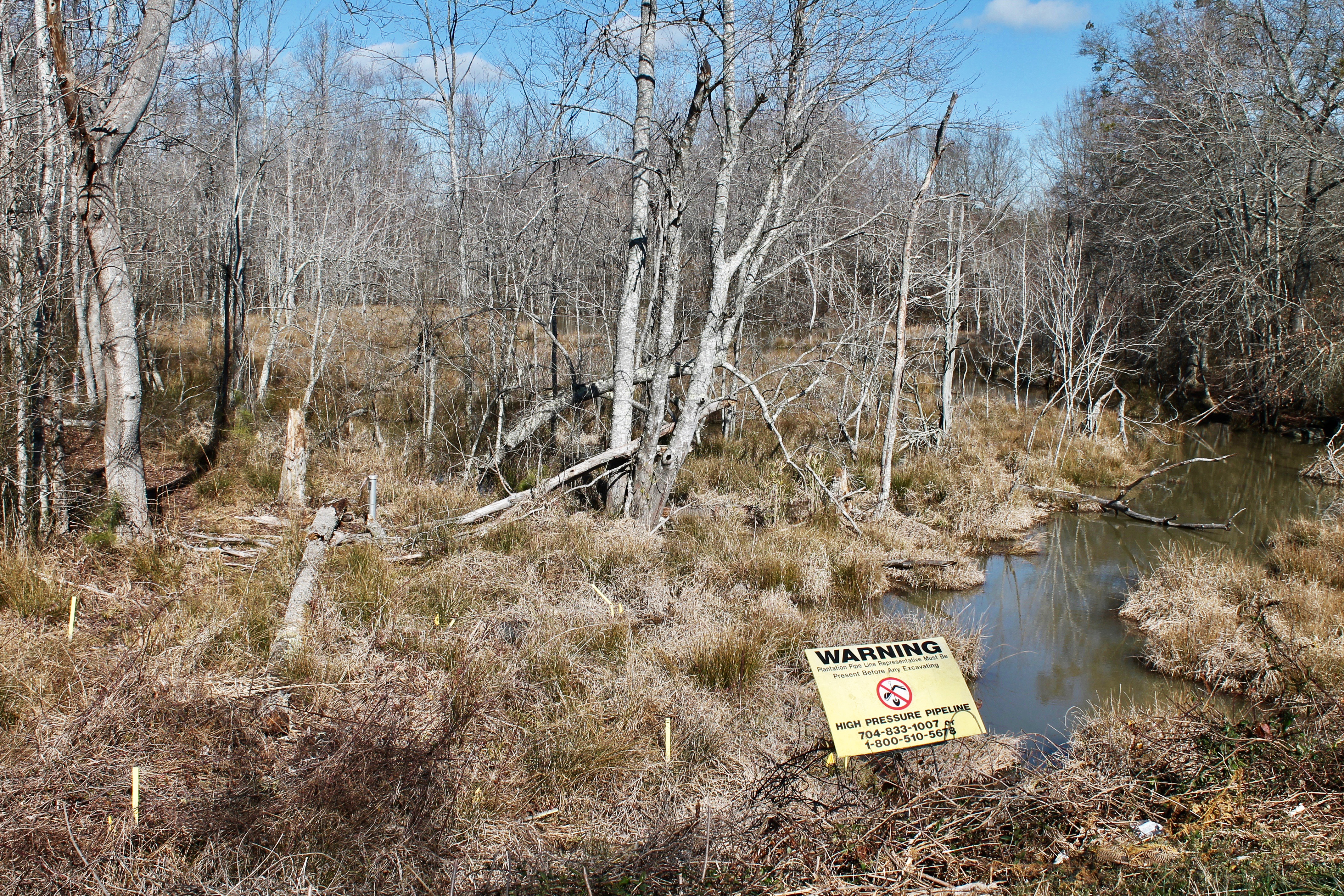
The leak occurred when an old patch on the pipeline ruptured, spilling at least 369,000 gallons of gasoline into the ground about 1,000 feet from Brown’s Creek. The spill was one of the largest gasoline spills in South Carolina's history. High quantities of petroleum were detected in the creek — and soon the pollution made its way to other local creeks and lakes as well.
Concerned that initial petroleum cleanup efforts were inadequate, the Southern Environmental Law Center (SELC), Upstate Forever, and the Savannah Riverkeeper conducted independent water quality testing in Brown’s Creek tributary. They met repeatedly with the S.C. Department of Health and Environmental Control (now SCDES) to urge it to require further steps to remediate the spill. They also provided SCDES with scientific evaluations of further remediation that needed to be done.
Clean Water Act Lawsuit
After state enforcement efforts failed to stop the flow of petroleum into the creek, the conservation groups took legal action in December of 2016. To enforce the Clean Water Act, SELC filed a lawsuit on behalf of Upstate Forever and the Savannah Riverkeeper in the U.S. District Court. The suit prevailed in an appeal before the United States Court of Appeals for the Fourth Circuit.
UF’s victory in the U.S. 4th Circuit was appealed by Kinder Morgan to the U.S. Supreme Court, where it was effectively bundled with two other cases focused on similar water issues. At the time, the Court ultimately agreed that the Clean Water Act applies to water pollution that flows through groundwater, like the pollution at the Belton pipeline spill, and sent the case back to the Fourth Circuit court.
$1.5 million for water quality
The case was eventually settled, resulting in a $1.5 million settlement fund for the watershed, one of the largest Clean Water Act settlements in South Carolina's history. This payment resolved the Clean Water Act litigation. Remediation of the spill site continues, under supervision by SCDES and subject to public review.
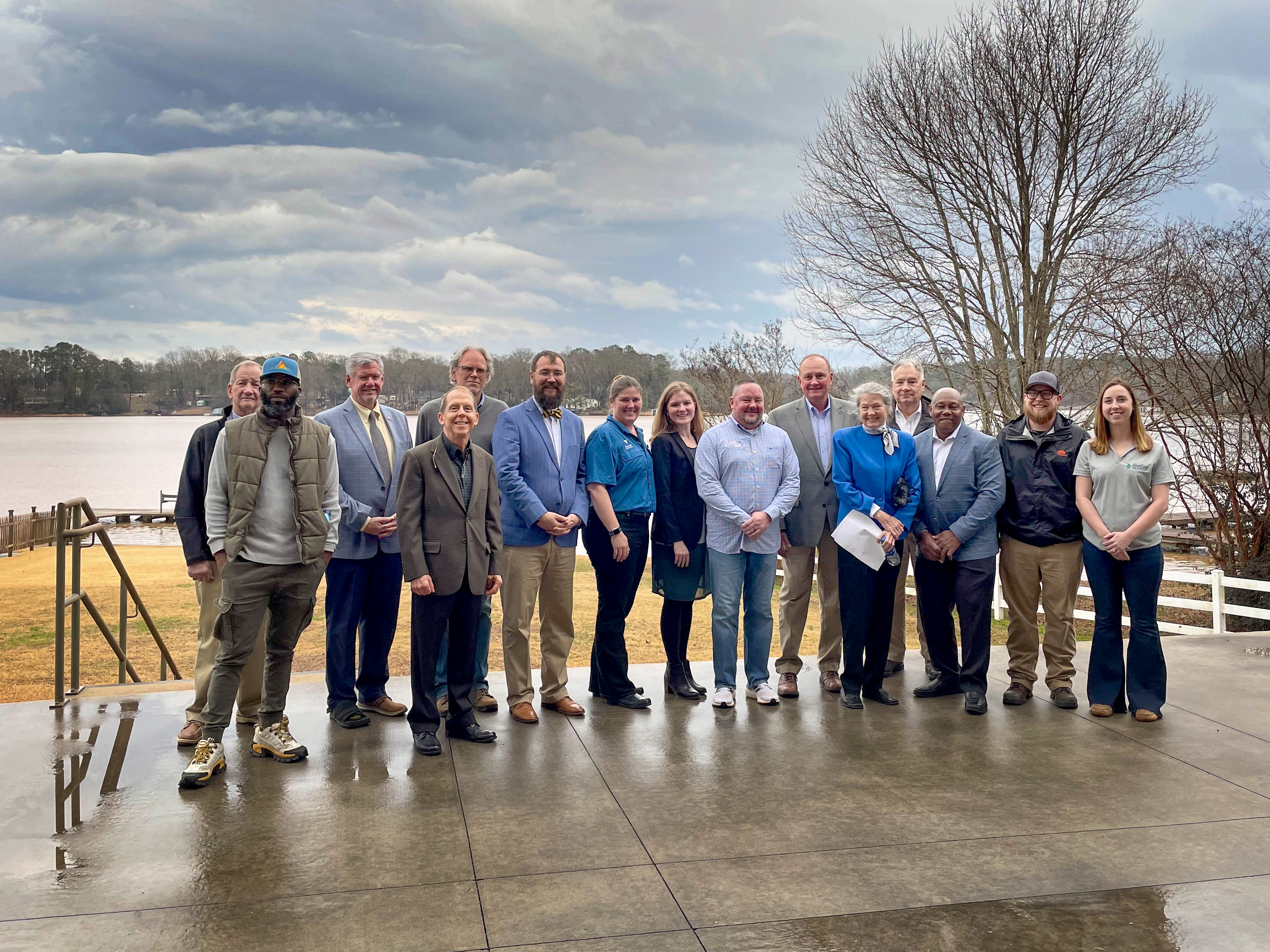
The $1.5 million was placed in an account at the Foothills Community Foundation, to be used for grants or projects that will restore or protect water quality in Anderson County and nearby portions of the Savannah River watershed. The fund is stewarded by the Anderson County Watershed Protection Council, a a volunteer advisory committee working to assist the Savannah Riverkeeper and Upstate Forever in identifying, prioritizing, and funding projects that empower citizens to take action on existing and emerging threats to water resources and to restore water quality in areas impacted by the petroleum pipeline spill.
Greenville, SC
507 Pettigru Street
Greenville, SC 29601
Spartanburg, SC
900 S. Pine St, Ste 1B
Spartanburg, SC 29302