Join our team
We are hiring a Clean Water Manager to lead and implement strategic initiatives benefiting water quality and resources across the Upstate.



Echols Farm
72 acres | Anderson County
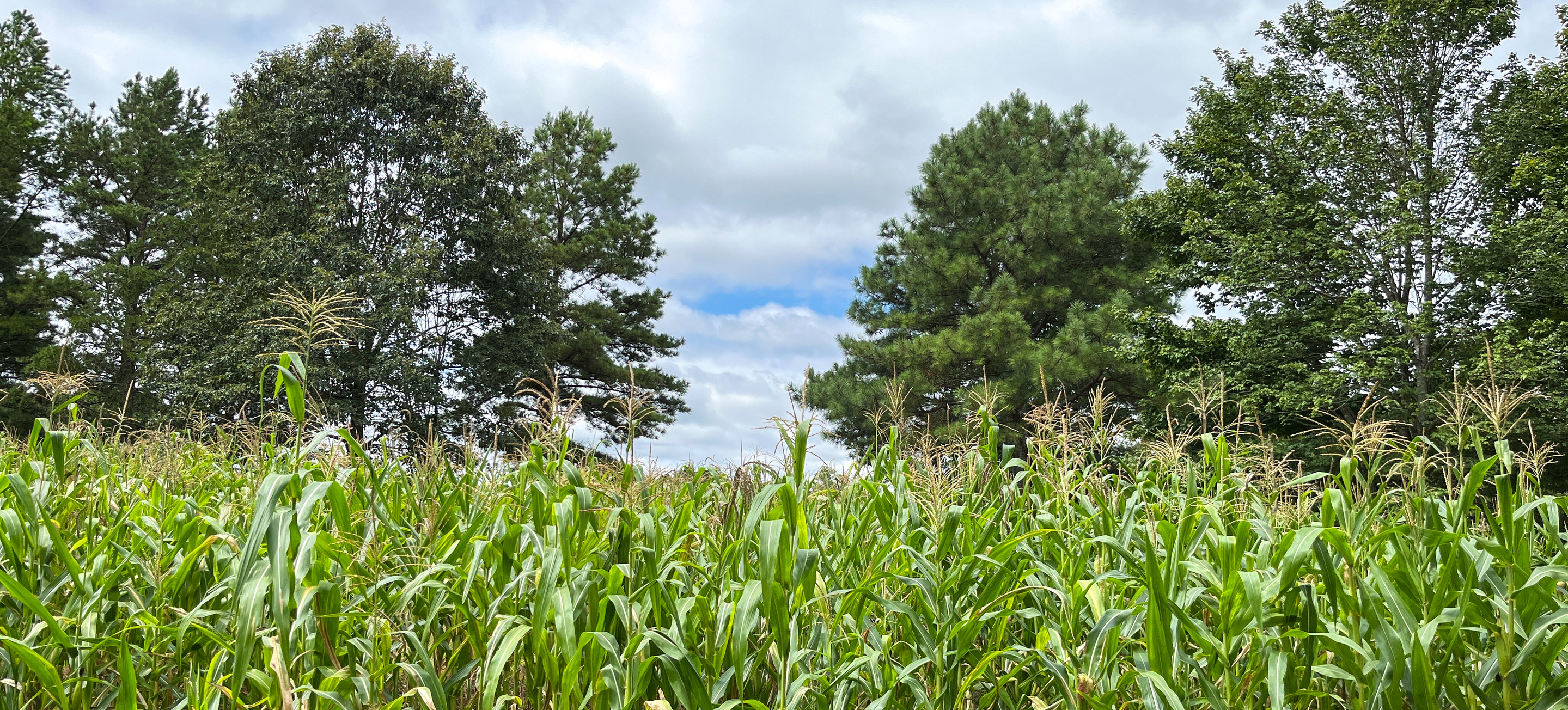
Nestled in the rural Five Forks community east of Pendleton, Echols Farm is a 72-acre property that reflects both the agricultural heritage and conservation future of Anderson County.
Project funders include an EPA Section 319 Grant through the South Carolina Department of Environmental Services, the South Carolina Conservation Bank, and the Upstate Land Conservation Fund.
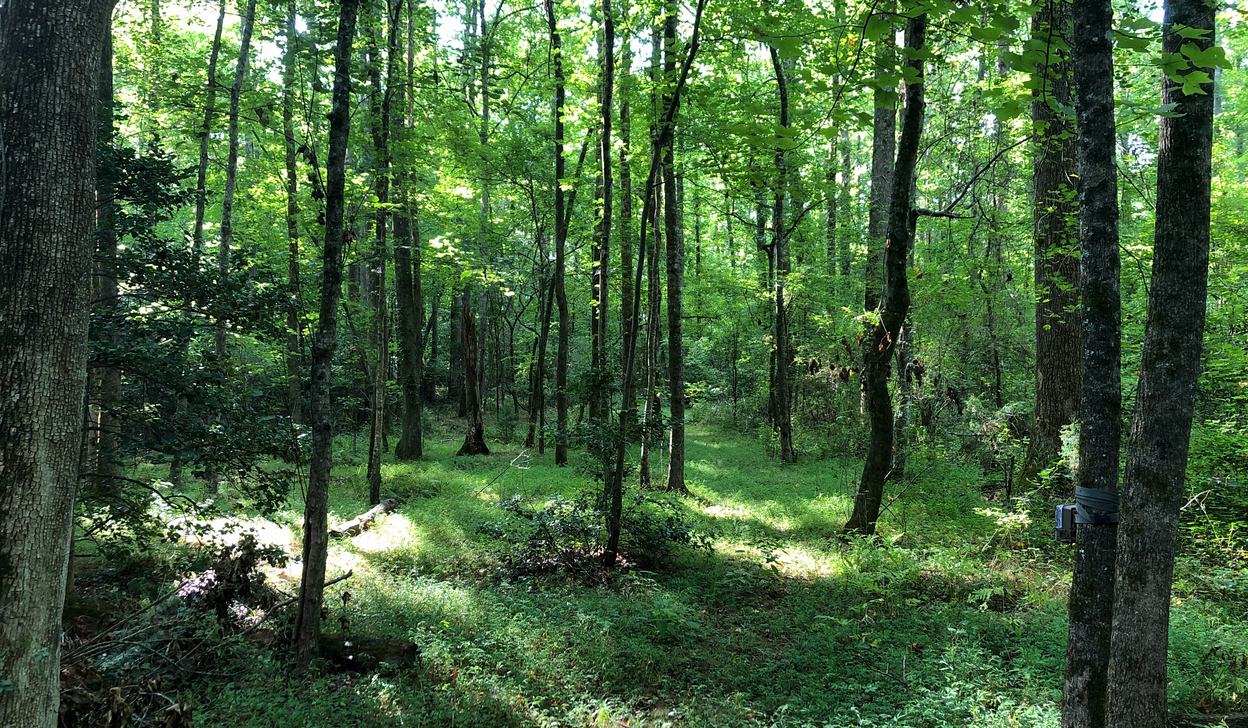
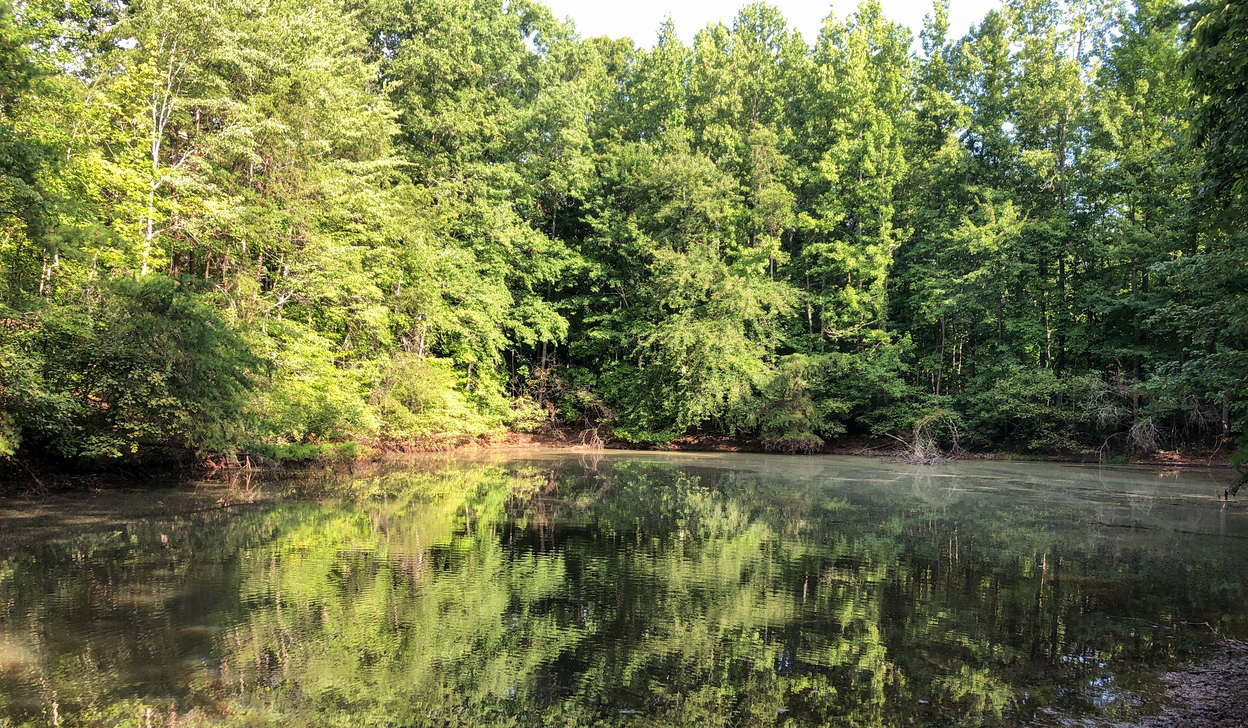
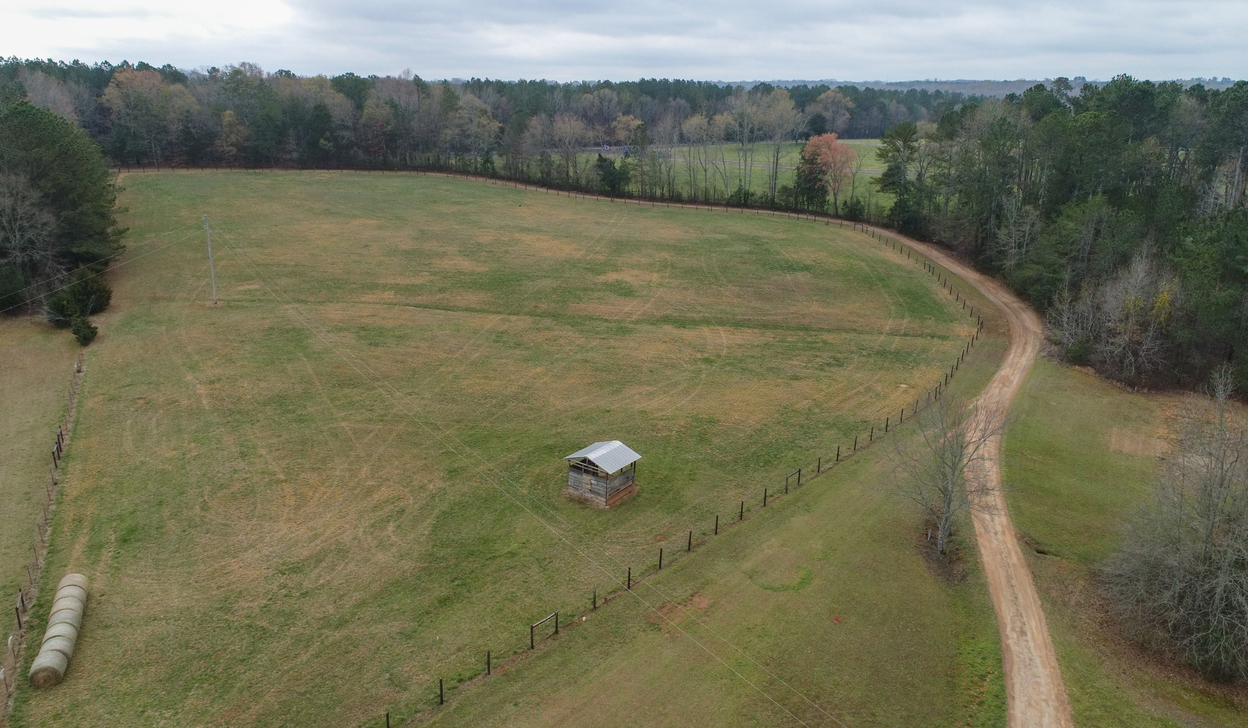
Protecting working lands, water resources, and wildlife habitat
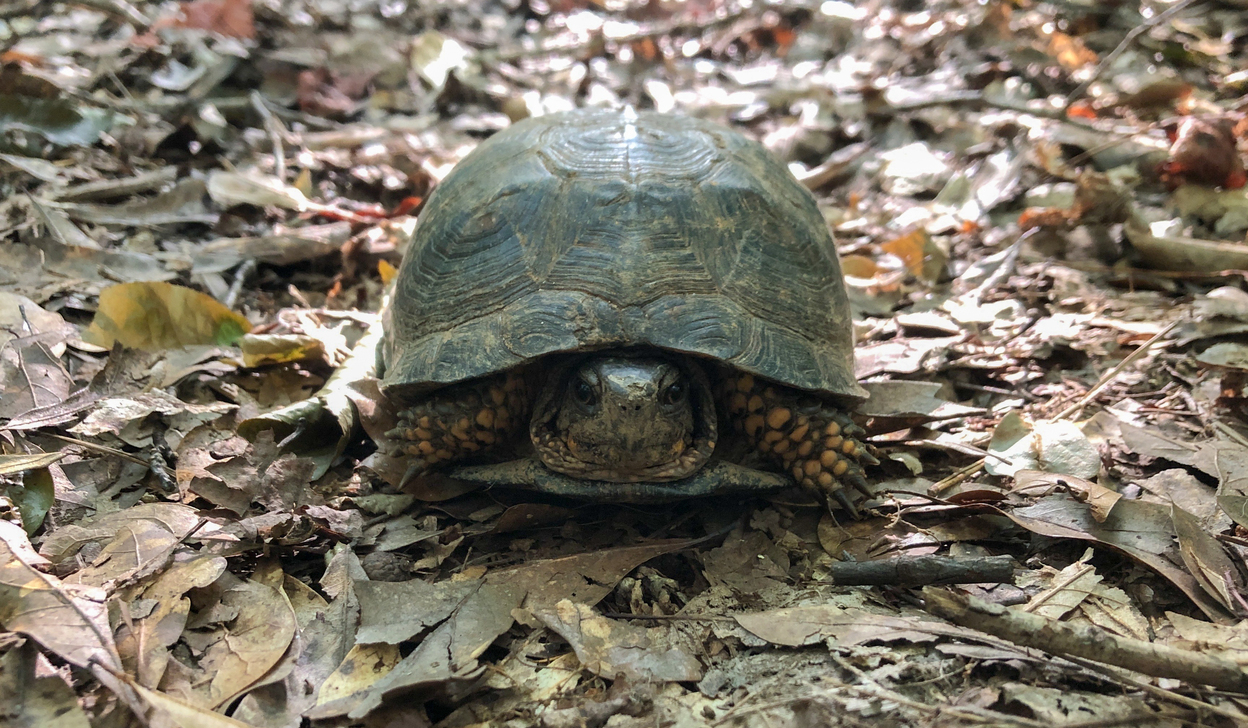
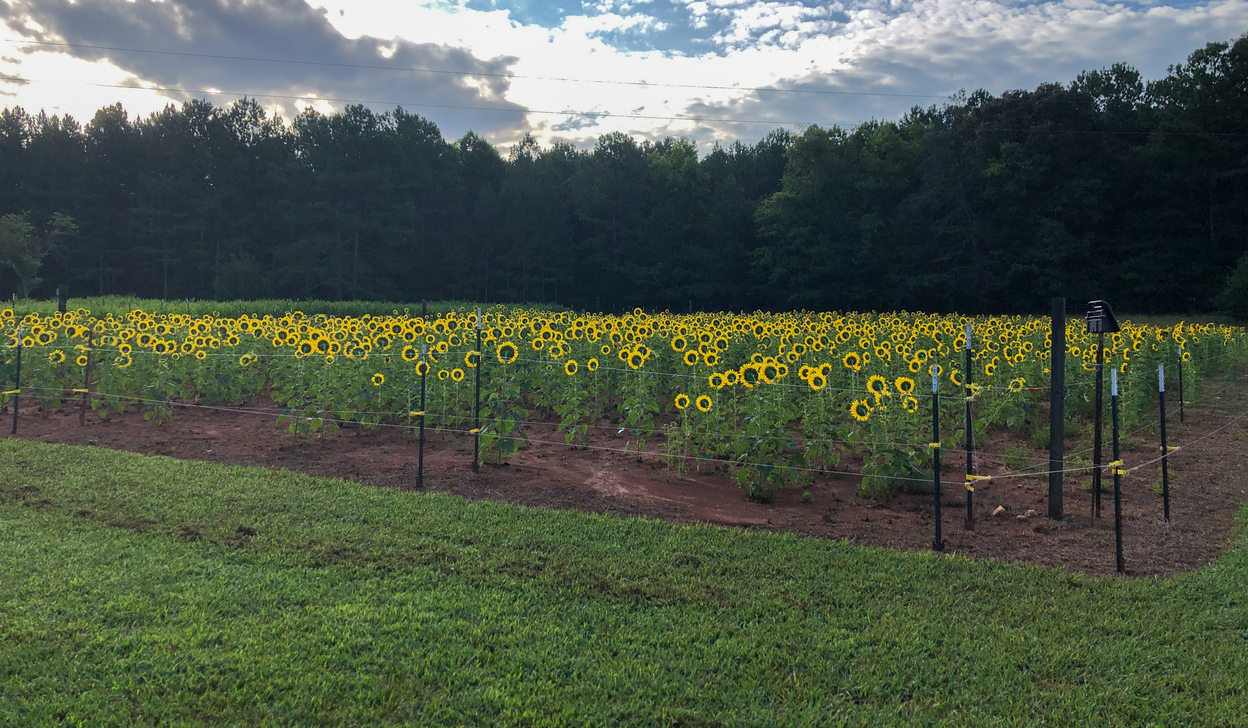
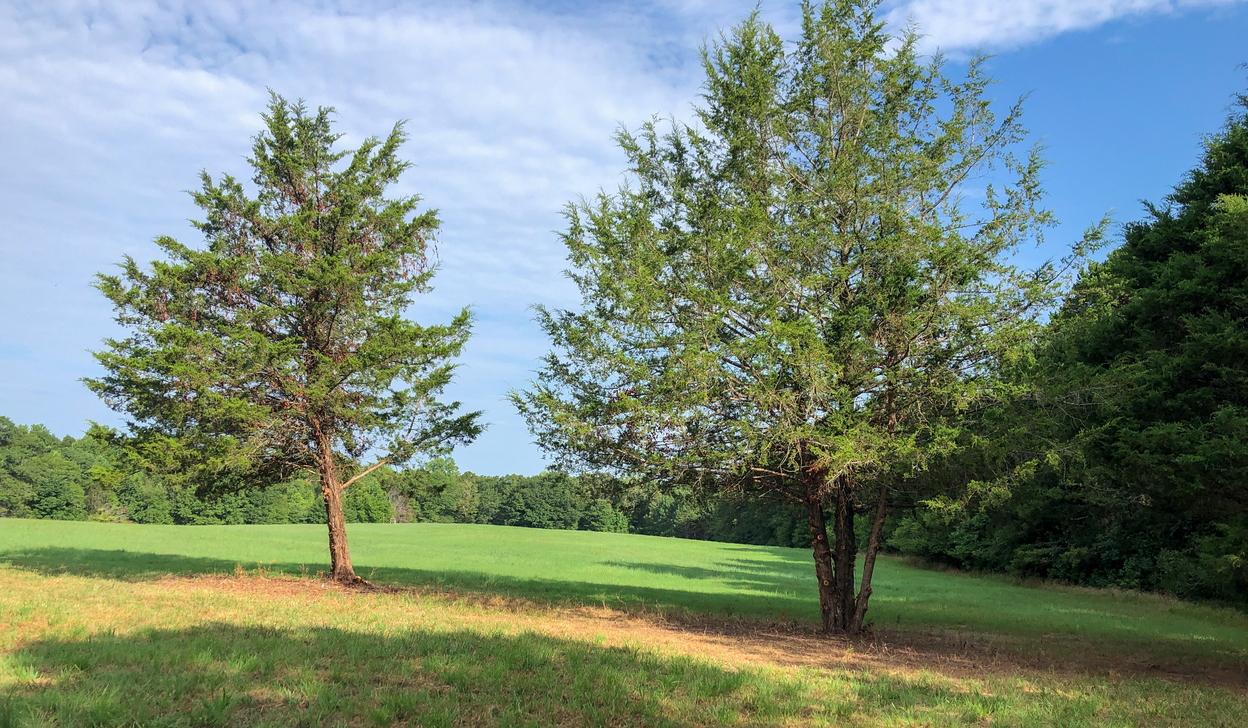
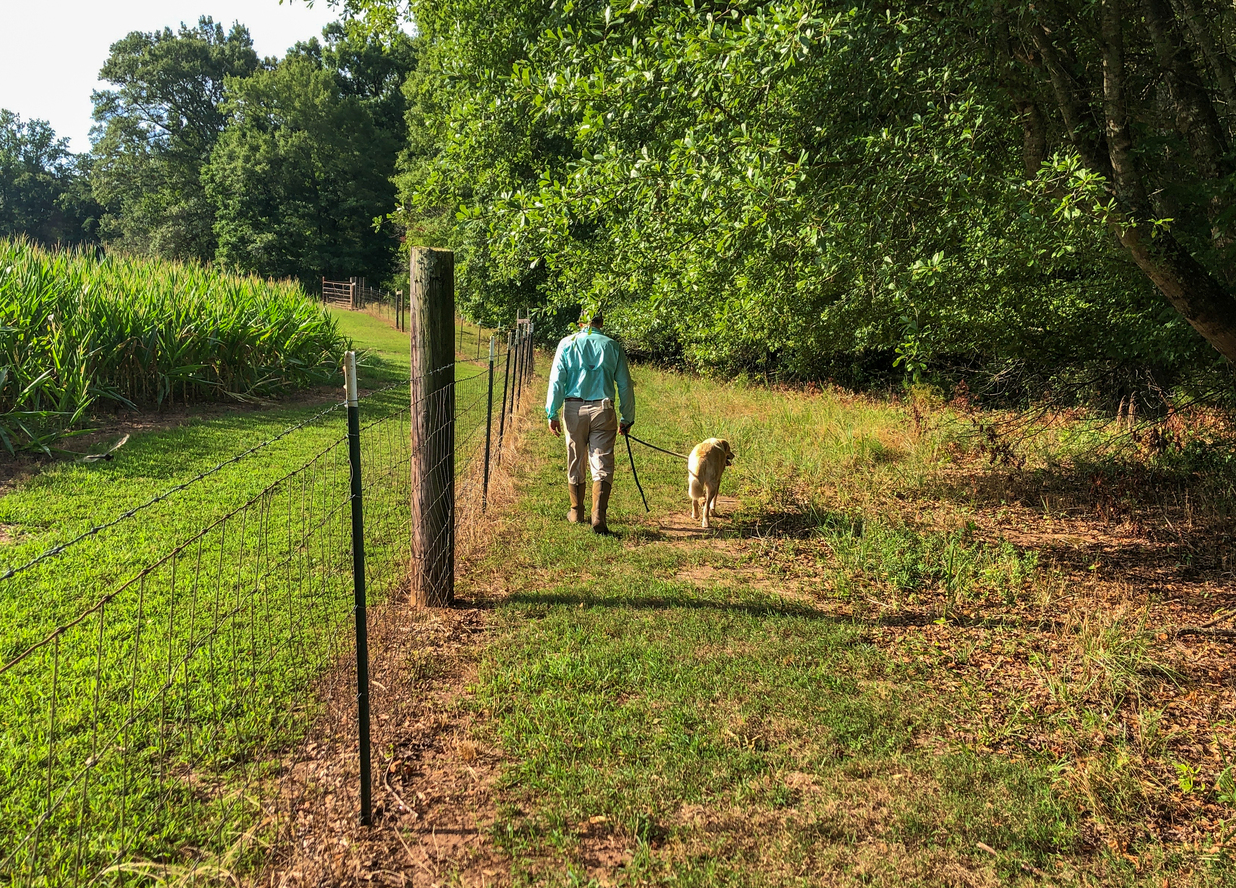
Echols Farm includes a mix of open pasture, pine stands, mature hardwood forest, and freshwater wetland important for wildlife habitat and ecological connectivity. Approximately two-thirds of this 72-acre property consist of Prime Soils or Soils of Statewide Importance, making it highly valuable for agriculture. This permanent conservation easement allows the landowners to continue living on and working their land while ensuring it will never be subdivided or developed in ways that compromise its conservation values.
In addition to the preservation of important agricultural land in an area facing immense development pressure, safeguarding Echols Farm plays an important role in improving water quality downstream. The property contains more than 5,000 linear feet of streams and 15 acres of wetlands associated with Three and Twenty Creek, protected with a 100-foot riparian buffer.
The Three and Twenty Creek Watershed drains to Lake Hartwell, which serves as a drinking water supply for over 200,000 residents in Anderson and Pickens Counties. It is a priority watershed for the SC Department of Environmental Services (SCDES) and US Environmental Protection Agency (EPA) and the focus of an existing watershed-based plan implemented by Upstate Forever.
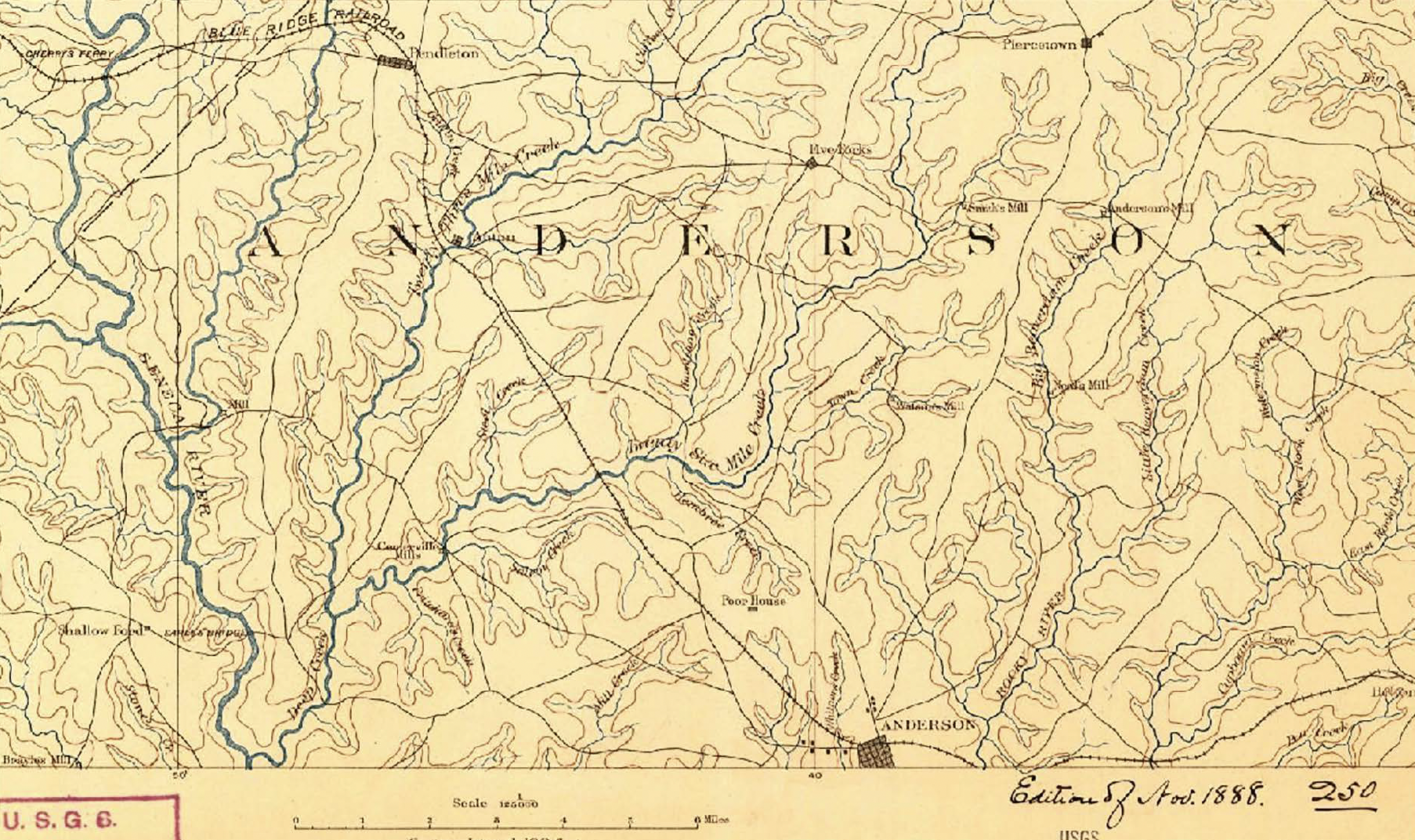
A Place Rooted in History
The Pendleton area is one of the oldest and most historically significant parts of Anderson County. Once a hub for agriculture and timber, it was home to grist and sawmills, including the well-known Rankin’s Mills along Three and Twenty Creek.
In the 19th century, Rankin’s Mills became the center of what is often considered Anderson County’s first environmental justice case. The mill dams were blamed for malaria outbreaks due to stagnant water, and the owner was ultimately found guilty of maintaining a public nuisance. The mills were destroyed by fire in 1873, marking a dramatic end to a pivotal chapter in the region’s history.
Today the Five Forks area remains largely rural, but development is rapidly approaching. Nearby residential subdivisions, industrial facilities, and commercial growth supported by proximity to I-85 are steadily transforming the region. Over the next 25 years, Anderson County is projected to lose more than 155,000 acres of land to development and fragmentation of farmland into smaller parcels is already a growing concern. Protecting Echols Farm helps anchor a larger conservation effort in the area in the face of this immense development pressure.
A Family’s Commitment to Stewardship
Mike and Robin Echols have cared for this land for more than 35 years. Mike first came to the Upstate as a Clemson University agronomy student and member of the golf team, later building a career in athletic grounds management at Clemson. Robin has dedicated her career to education as an elementary school teacher in Anderson County.
The couple began assembling the property in 1991, eventually combining four contiguous tracts by 2001. Today, the farm serves as their homeplace and a reflection of their values. Whether watching waterfowl migrate overhead or taking in a sunrise from a favorite hilltop, Mike has developed a deep personal connection to the land — one rooted in both observation and reflection.
Want to protect your land?
Conservation easements are a voluntary, permanent way landowners can protect special places from development. For more information about partnering with UF to conserve your property, please contact our nationally-accredited Land Trust at landtrust@upstateforever.org.
Greenville, SC
507 Pettigru Street
Greenville, SC 29601
Spartanburg, SC
900 S. Pine St, Ste 1B
Spartanburg, SC 29302