Request for Proposals: Upstate Forever seeks consultant for GIS mapping and modeling services. Apply by 5:00 p.m. ET on November 6, 2026. Learn more





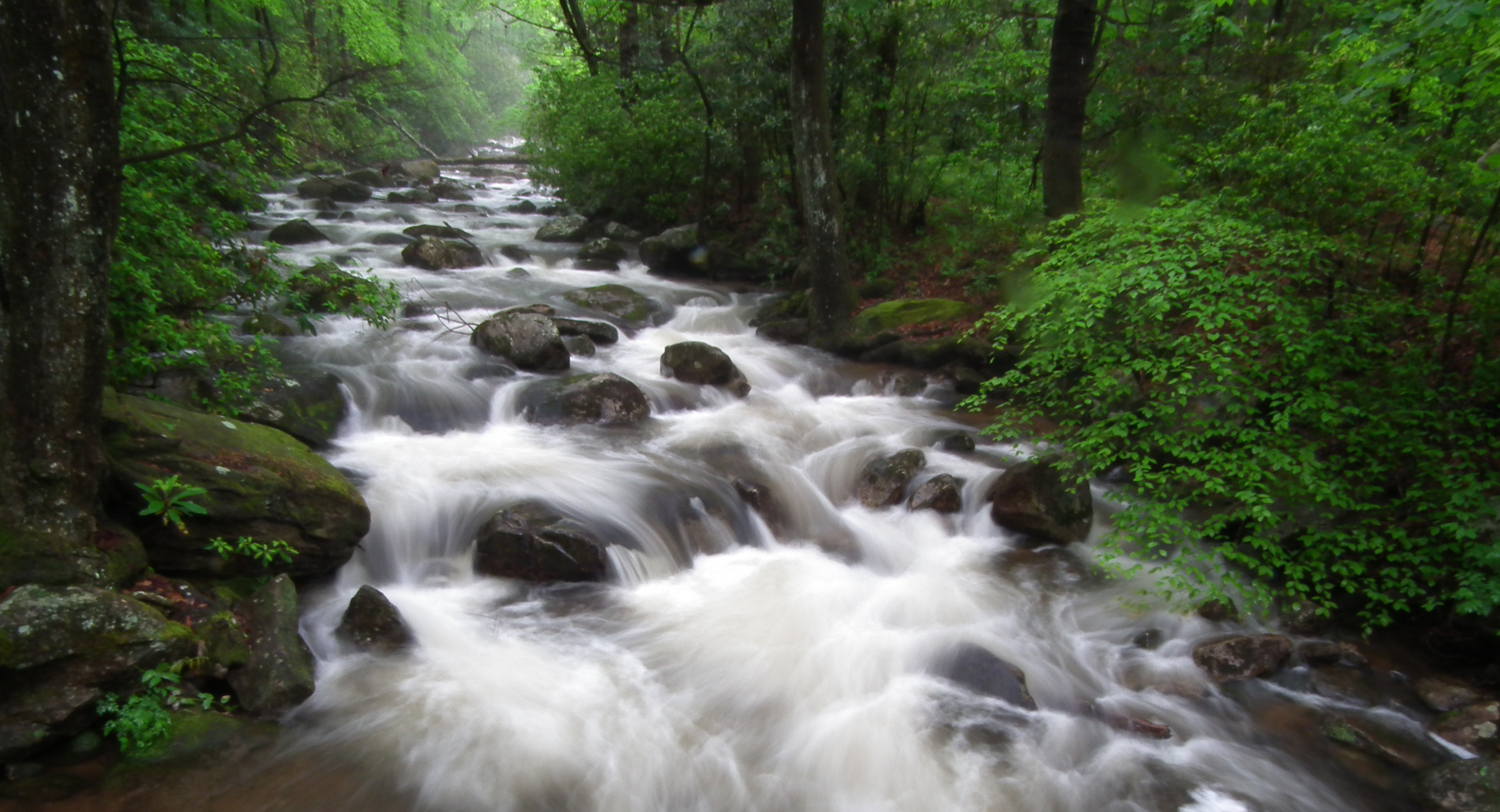
Our Water Advocacy
Safeguarding Local waterways
Upstate Forever advocates at the local, state, and federal levels to advance policies that protect our drinking water, as well as the places we love to fish, hunt, swim, and explore.
In this part of the world, in an era of modern convenience, it’s all too easy to take clean water for granted. It's easy to forget the value of water and the immense role it plays in our daily lives. As our region grows, it’s more important than ever to recognize the tremendous value of water — and to fight to protect it. While we look to collaborative solutions first, we also sometimes take legal action to ensure that bad actors are held accountable for causing damage to our waterways.
How you can help
- Monitor your local waterways by becoming a citizen scientist through SC’s Adopt-a-Stream program or by keeping a log of what’s happening in your local creek, river, wetland, or lake.
- Tell your state and local representatives that water and land protection matters to your community: Consider writing them a letter, sending an email, or picking up the phone to make your voice heard.
- Pay attention to other local city and county council issues and participate when you can. Remember, many policies governing how we manage land, construction, and transportation can impact our local waterways. Sign up for our e-newsletters with updates and alerts related to Greenville, Spartanburg, and Anderson growth issues.
- Be on the lookout for alerts from UF and our partner organizations. Follow us on social media and click here to sign up for our water issues e-newsletter, The Water Log.
- Support land protection efforts. Land protection is the most cost-effective way to protect water quality. According to a study by the Trust for Public Land, every $1 spent on land protection saves $27 on water treatment costs, because it keeps our waters clean, naturally, without the need for costly infrastructure upgrades. That's a great return — on any investment.
Greenville, SC
507 Pettigru Street
Greenville, SC 29601
Spartanburg, SC
900 S. Pine St, Ste 1B
Spartanburg, SC 29302