

May 7, 2026
Request for Proposals: Upstate Forever seeks consultant for GIS mapping and modeling services. Apply by 5:00 p.m. ET on November 6, 2026. Learn more

Stewardship
Ensuring Perpetual Protection
Conservation isn't complete when an agreement is signed — in fact, that’s just the beginning of a lasting partnership between Upstate Forever and landowners who choose to protect their properties.
Through annual monitoring, clear communication, and collaborative support, we work together to uphold each conservation easement and ensure the land’s natural beauty and resources are protected for generations to come.
What is Conservation Stewardship?
Conservation stewardship is the perpetual monitoring of land protected by a conservation agreement and, when necessary, the defense and enforcement of that agreement. Through ongoing relationships with both the land and its owners, Upstate Forever works to ensure each property remains permanently protected for generations to come.
Information for easement landowners
Congratulations! You own conserved land. We're here to help.
Understanding your reserved rights
Every conservation easement is unique, created with the initial grantor’s wishes in mind, and tailored to protect the conservation values of the property. When you own land, you may have rights, like the right to subdivide, harvest timber, farm, or build structures. A conservation easement removes or limits some of those rights.
The rights landowners retain following a conservation easement are referred to as “reserved rights.” These may require prior permission or notification with Upstate Forever and could include the building of residences or structures, timber harvest, new roads, or new trails.
When to contact Upstate Forever
We hope that you’ll reach out to us any time you have questions about your conservation easement, but there are times when you might need our approval or input to exercise certain reserved rights. In general, it’s always a good idea to contact us before making any big changes to the property. For example, these activities may include:
-
Before you sell or lease
The conservation easement stays with the land for perpetuity. When you sell, transfer, or lease your land, the other party needs to be aware of how the easement process works. We can help facilitate the process and ensure the easement is communicated to potential landowners or lessees. -
Before you build
A conservation easement may allow for residential, agricultural, or equestrian structures, docks, decks, patios, roads, bridges, ponds, etc. It is extremely important to 1) confirm that your easement allows new structures or expansion of existing structures, and 2) follow the correct process for approval and/or notification before beginning any construction on-site. - Before big changes
Your easement might have reserved rights that cover big changes to the property, such as tree cutting or removal, new agricultural activities, altering soil or land, or activities near waterways. These rights may require prior notification and/or approval per your conservation easement.
Our goal is to make the review and approval process as easy as possible. Once you contact us, we’ll respond to the request within 30 days and ensure we have all pertinent information.
Preparing for your annual site visit
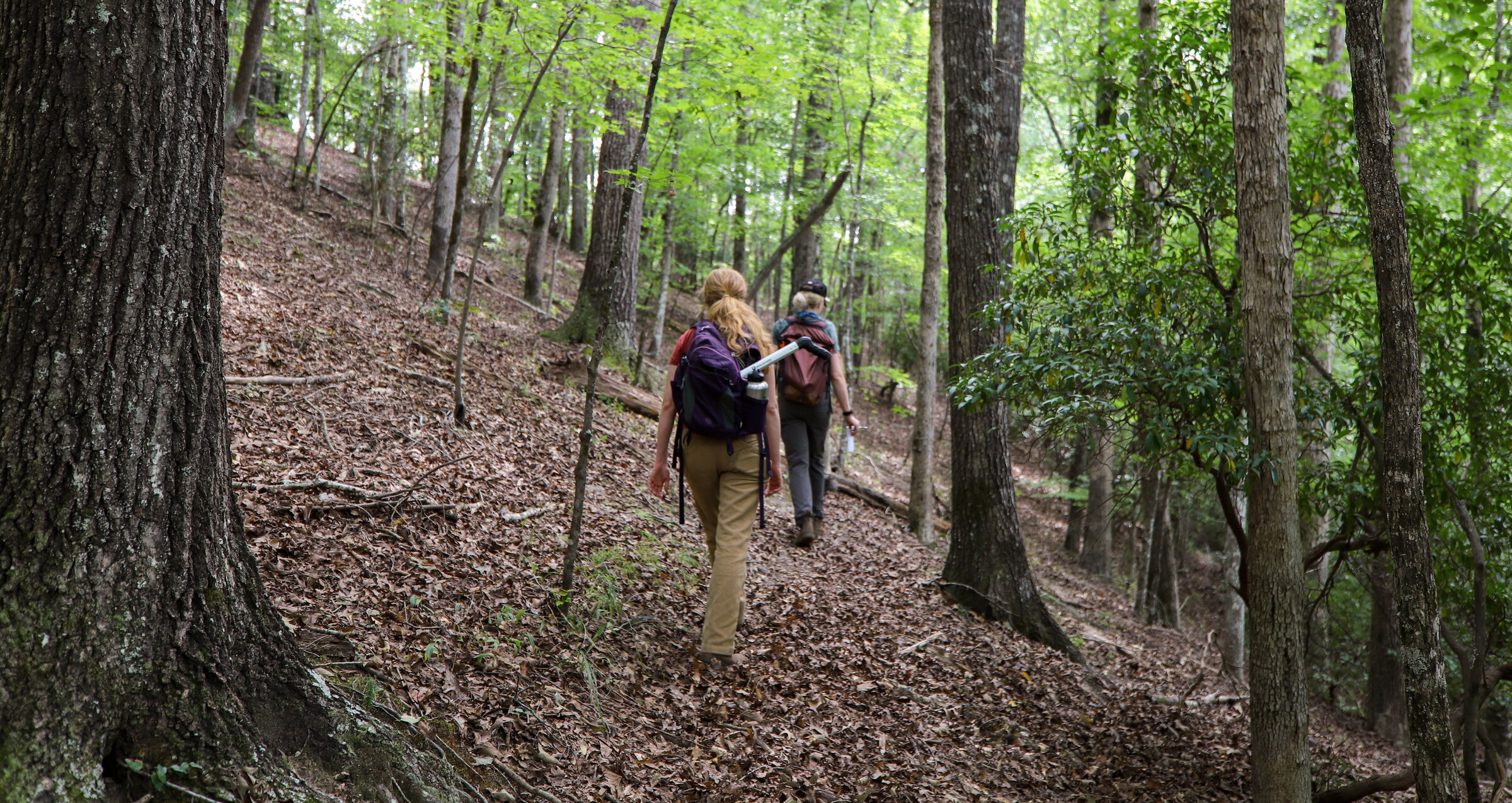
Our Stewardship Team visits every conservation easement annually. We conduct site visits year-round, so you may be contacted at any time throughout the year to schedule a site visit.
- Scheduling
Our staff make their best effort to abide by landowners’ wishes when we schedule our monitoring visits. However, we have many properties and have to schedule year-round, including through hunting seasons. In addition to the annual visit, the Stewardship team may need to schedule additional visits to gather specific follow-up information. - Landowner availability
We always enjoy visiting with landowners and encourage you to attend the site visit whenever possible. However, we understand if you are not available or would prefer not to attend the annual site visit. Landowners are not required to be present for their site visit. - What to expect
A Stewardship team member walks the property, takes photos and notes for our records, and visits with you (if you are available). We document any changes to the property since last year’s visit, field any questions or concerns you have, and discuss future plans for the property. After the visit, you’ll be provided with a copy of the report. - What if there is a violation?
We are hopeful that maintaining a close relationship with our landowners will help prevent potential violations. In the event that a violation does occur, we are legally obligated to uphold the conservation easement. We will work closely with you to find a solution while keeping a positive, productive relationship throughout the process.
We aim to be a resource for landowners while ensuring that the conservation easement is upheld. It is our duty to uphold the conservation easement and protect the property’s conservation values.
Land Management
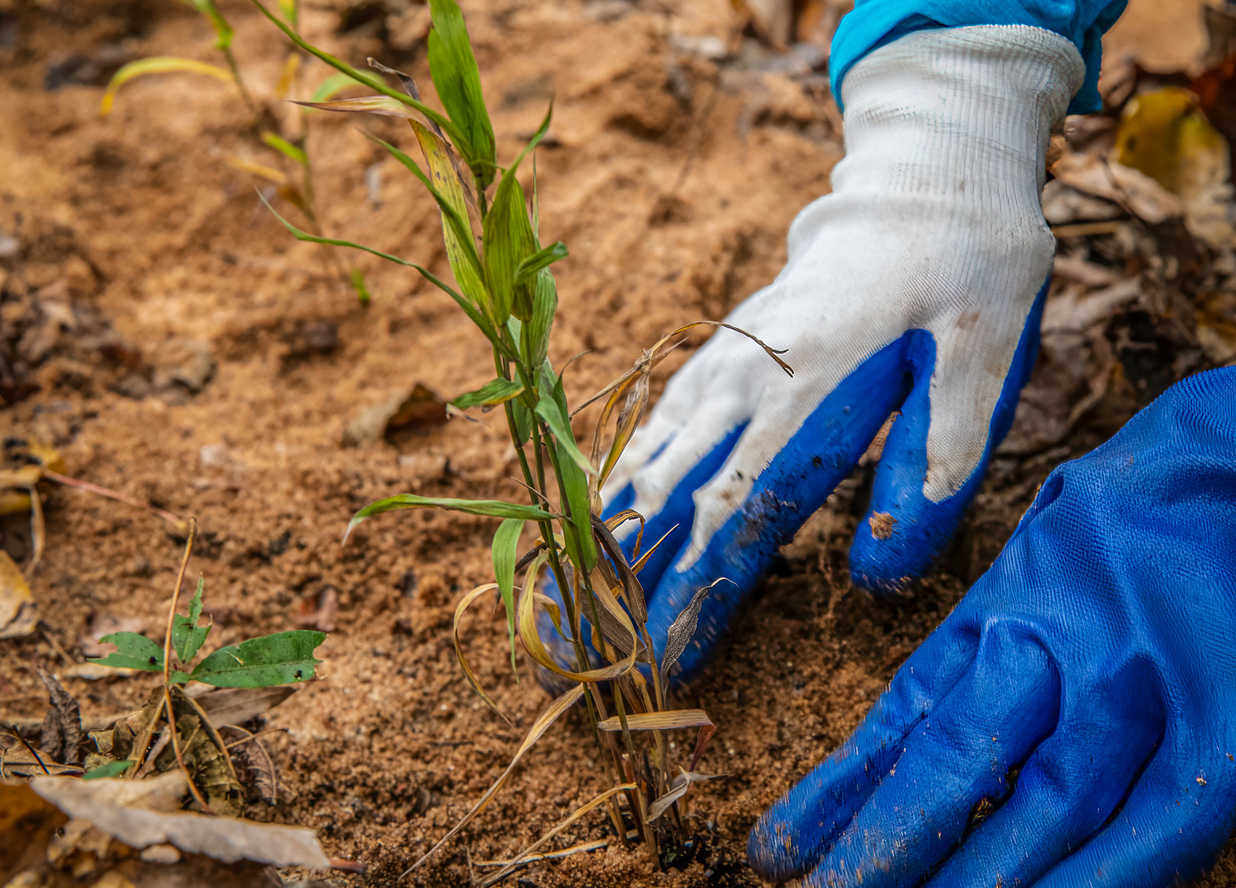
Our staff can connect you with resources and funding opportunities to help restore and ensure the ecological health of your property.
Restoration may include removal of invasive species, planting of native flora, erosion control, and prescribed burning.
Additional resources for landowners
RECENT Land Management & Stewardship Blogs
We're here to help
Are you a conservation easement landowner with questions or concerns? Please don't hesitate to contact our Stewardship staff to explore the terms of your conservation agreement, discuss a reserved rights request, be connected with land management resources, and more.
Greenville, SC
507 Pettigru Street
Greenville, SC 29601
Spartanburg, SC
900 S. Pine St, Ste 1B
Spartanburg, SC 29302