Request for Proposals: Upstate Forever seeks consultant for GIS mapping and modeling services. Apply by 5:00 p.m. ET on November 6, 2026. Learn more



Protecting riparian buffers
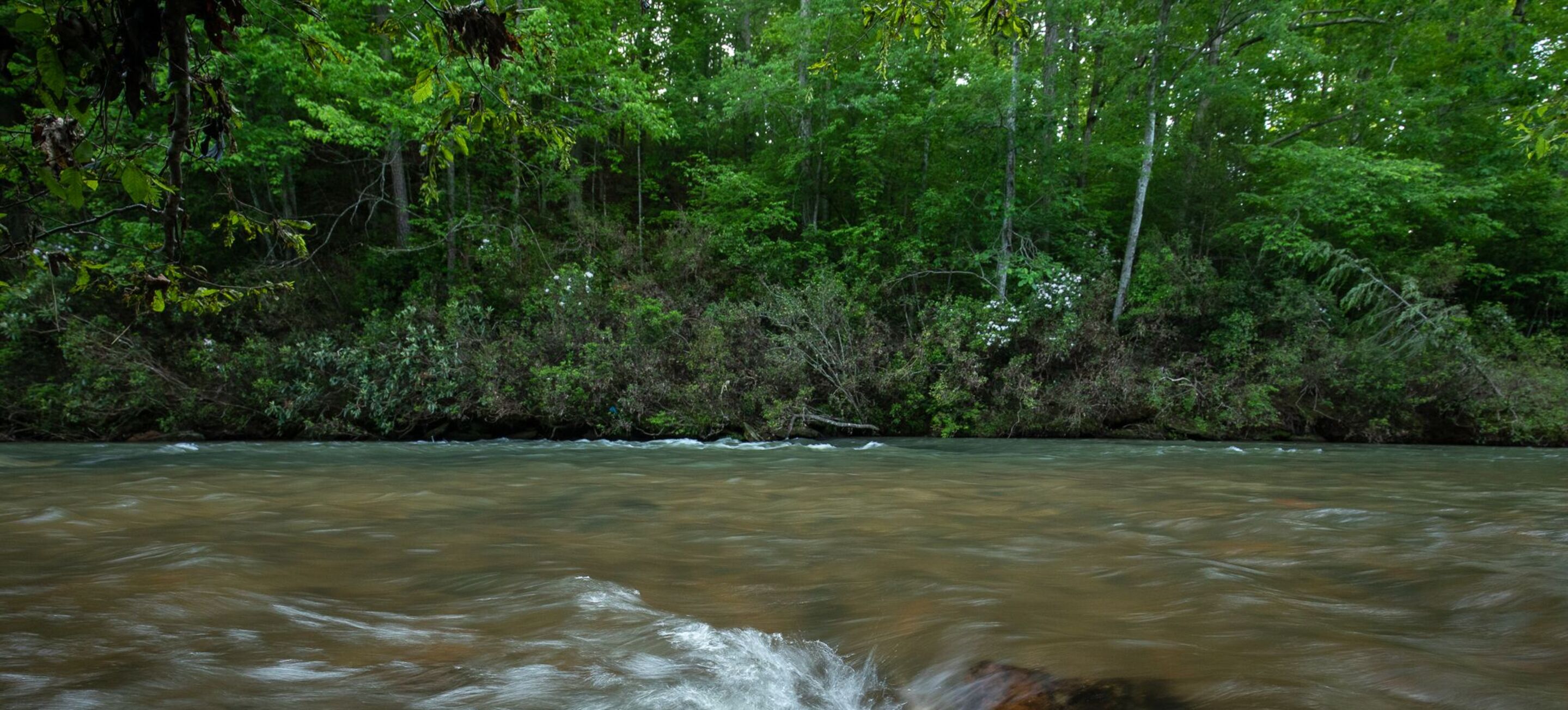
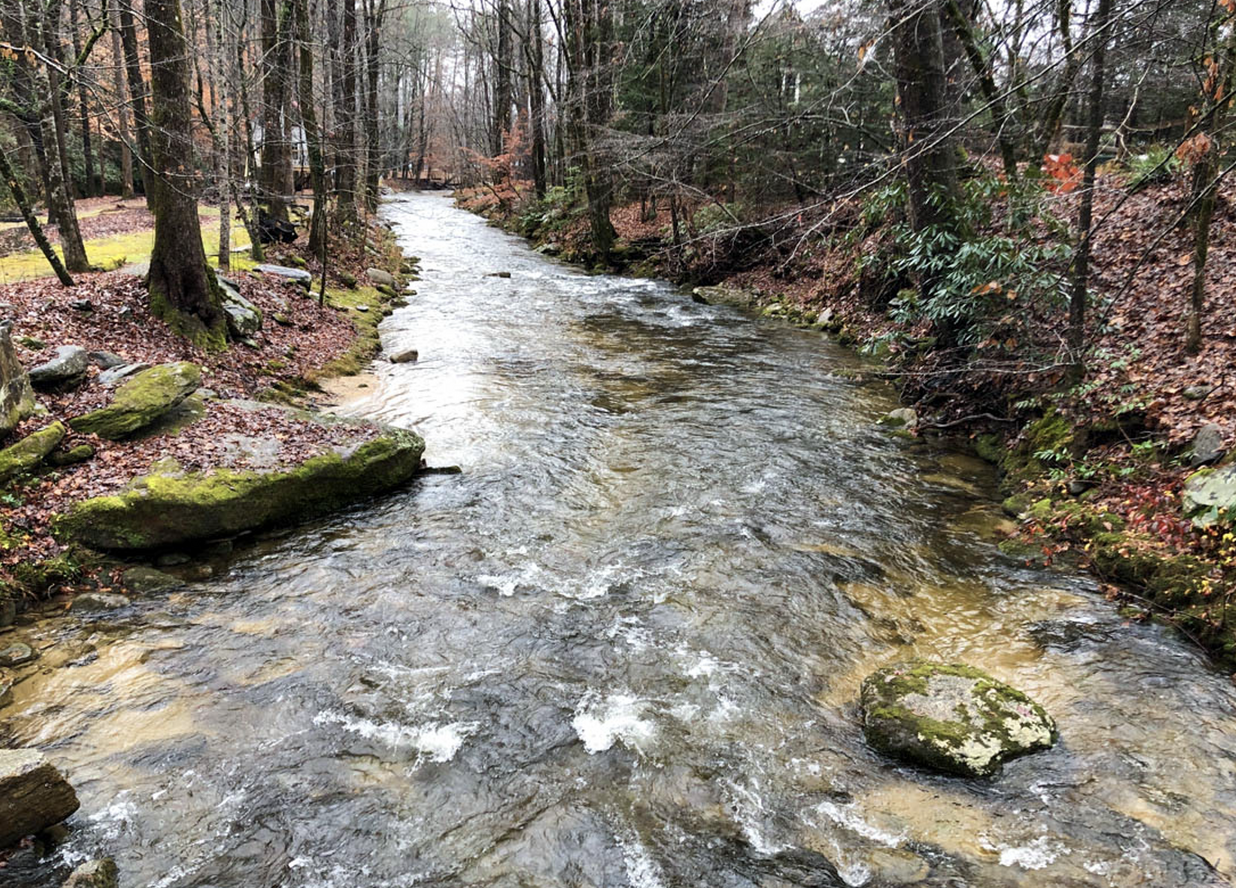
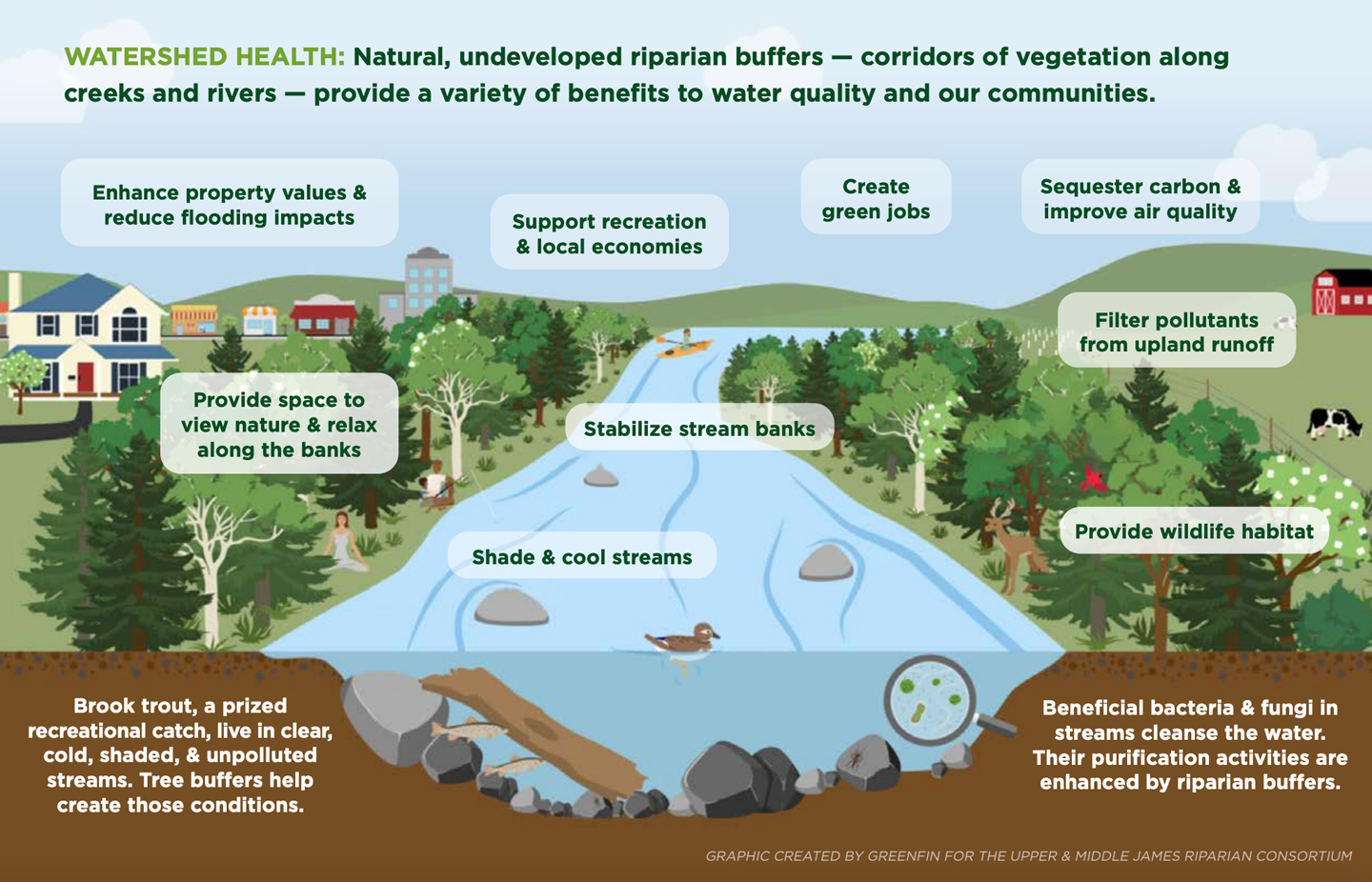
A riparian buffer is a strip of vegetation along a stream, river, lake, or pond. Riparian buffers protect water quality by capturing and filtering pollutants before they are washed off land surfaces and carried into local waterways. They also prevent erosion, reduce sedimentation, and mitigate the impacts of flooding.
Acre for acre, healthy riparian buffers work extra hard for the community, providing outsized benefits on the health of our water supply and environment at large. As the Upstate grows, it is critical to protect and restore riparian buffers.
Riparian buffers:
- protect the quality of the water we drink
- filter pollutants carried by surface water runoff
- stabilize stream banks and minimize erosion
- decrease the frequency and intensity of flooding and low stream flows
- prevent sedimentation of waterways
- protect aquatic life by providing shade to streams thereby moderating in-stream temperatures
- provide food and habitat for wildlife
- replenish groundwater
- protect associated wetlands
What happens when riparian buffers are impaired?
As development increases in a watershed, more land is converted from its natural state to a type of impervious surface that water cannot filter through. Stormwater running off impervious surfaces can carry pollutants like litter, fertilizers, pesticides, and pet waste discharging into the nearest river or stream. Buffers help slow down and filter that runoff while also providing important wildlife habitat, aesthetic beauty, flood protection and more.
When riparian buffers are impaired, storm runoff increases, giving it more opportunity to pick up natural and man-made pollutants that flow into the nearest waterway. This doesn't just mean nasty rivers — It means higher costs for water treatment.
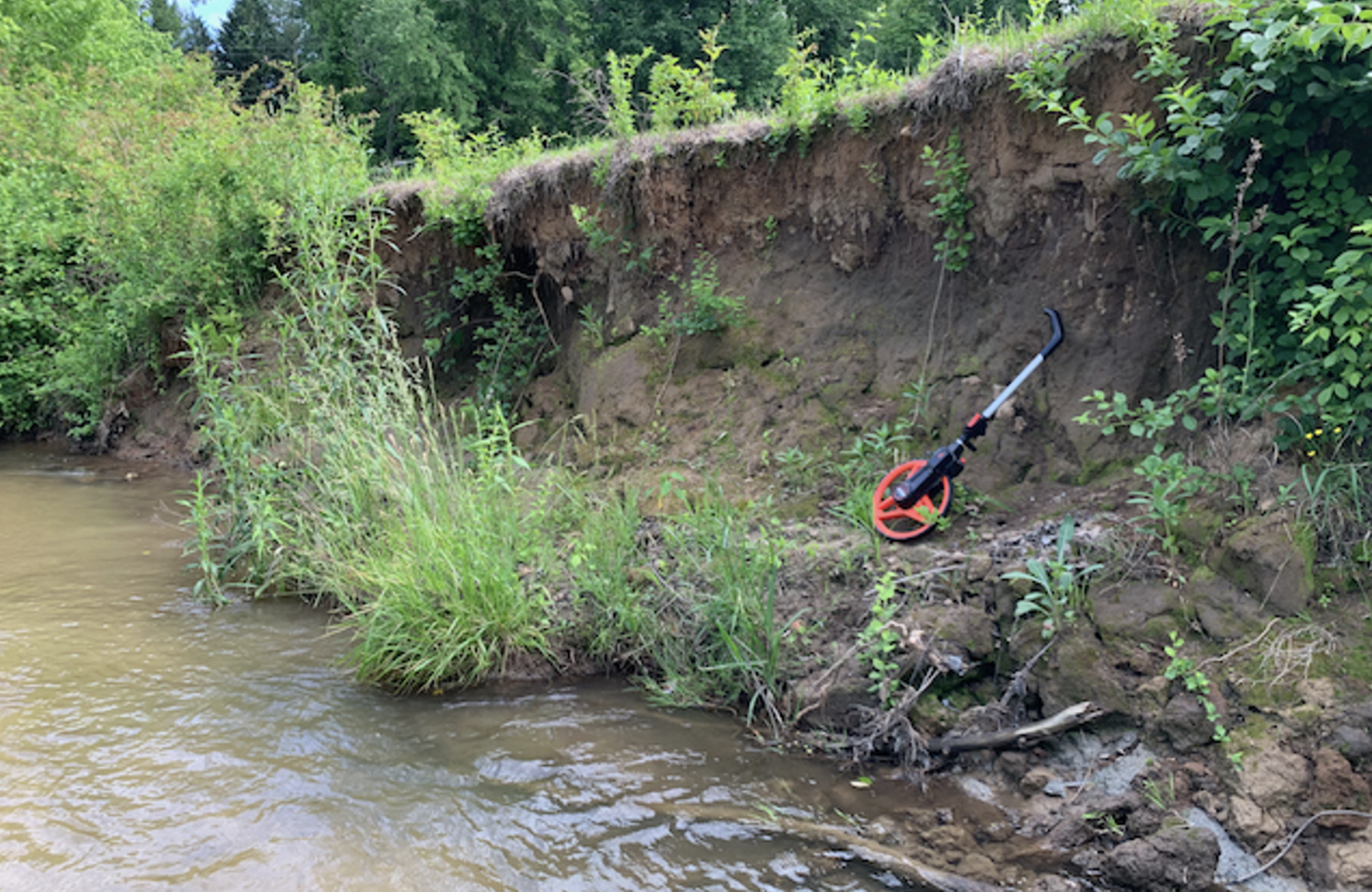
Healthy, intact riparian buffers, like the ones you would find in a protected forested watershed or a healthy wetland, help slow down and filter that runoff, meaning cleaner water and lower treatment costs.
Buffers are also critical in reducing the frequency and intensity of flooding from severe rain events. The SC Emergency Management Division reported that after the historic floods that impacted Columbia in 2015, South Carolinian taxpayers absorbed $114 million of the $1 billion worth of property and infrastructure damage and clean-up.
The most effective way to combat these costs is to increase protection of ecosystems, meaning water sources and their surrounding forests, so they can help mitigate a flood’s impact.
Economic impact
Scientific research clearly demonstrates that riparian buffers are a cost-effective way to reduce storm water runoff and mitigate flooding:
- The Trust for Public Land found that every $1 spent on land protection saves $27 on water treatment costs, because it keeps our waters clean, naturally, without the need for costly infrastructure upgrades. Read more about how development impacts water quality.
- Similarly, according to the EPA, if 50% of a forested watershed is protected, then the annual cost to treat 22 million gallons of water per day is around $370,000. When that forested watershed is reduced to only 10%, the cost for that same 22 million gallons per day soars to over $923,450.
- A local study by the Reedy River Water Quality Group (RRWQG) shows that the benefits associated with increased riparian buffers – including water quality, flood protection, tax revenue, and recreation – reached an estimated $7.5M, far exceeding the costs. View the study
How you can help:
- Pay attention to local city and county council issues affecting riparian buffers, and participate when you can. UF currently offers local land use e-newsletters with updates and alerts related to Greenville, Spartanburg, and Anderson. Sign up for land planning & policy updates
- Support land conservation efforts. Strategic land protection, especially of properties with frontage on streams, rivers, and lakes, is a cost-effective way to protect water quality when riparian buffers are left wild and undeveloped. Dedicated conservation funding is also critical — it is the key to achieving timely, meaningful land protection as our region grows.
- Monitor your local waterways by becoming a citizen scientist through SC’s Adopt-a-Stream program or by keeping a log of what’s happening in your local creek, river, wetland, or lake. Learn more
- Volunteer for a litter cleanup. Upstate Forever hosts volunteer fieldwork days several times a year, which typically include litter pickup, removal of invasives, and/or planting of native species. You can also visit our local partner organizations for more information on litter cleanups in your area: Friends of the Reedy River, Greer CPW, Palmetto Pride, and Lake Hartwell Partners for Clean Water.
- Be on the lookout for alerts from UF and our partner organizations. We will let you know when action is needed on issues affecting our water resources. Follow us on social media and sign up for our water issues e-newsletter, The Water Log, at upstateforever.org/email.
clean water news in your inbox
Water is our planet's most precious natural resource, and Upstate Forever is working to safeguard both the quantity and quality of water in our region. Sign up to receive our Clean Water team's quarterly newsletter dedicated to clean water issues and advocacy. See past issues here
Greenville, SC
507 Pettigru Street
Greenville, SC 29601
Spartanburg, SC
900 S. Pine St, Ste 1B
Spartanburg, SC 29302